
Table of contents
Karnataka has always occupied a special place in Indian history and the contemporary world alike. Its unyielding and mysterious spirit emanates from the very language they use - Kannada, a relic of old. The very same goes for Uttara Karnataka, the northern region of the state. The many ancient temples and monuments that dot its landscape tell the story of all the cultures that alternated in its long life span and comprise some of the most distinguished tourist places in North Karnataka. The core of tourism in the region are these aforementioned temples complimented by forts of empires gone. Despite its semi-arid climate, certain natural features happen to be equally successful attractions. Indeed, this place is a true gem waiting to be discovered.
Badami Cave Temples
Gol Gumbaz
Hampi
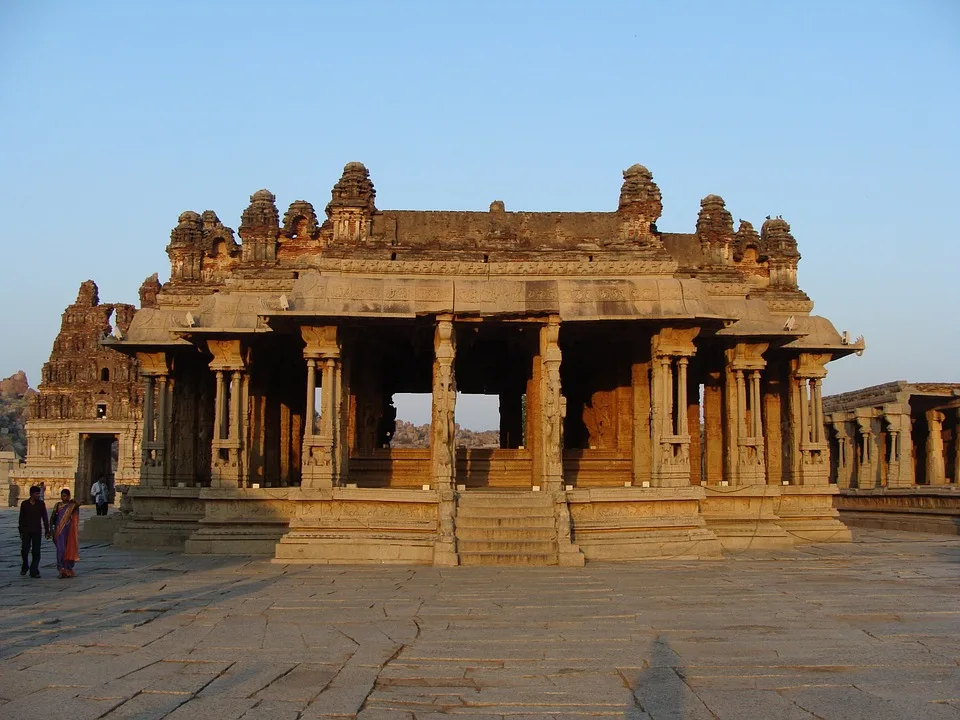
Mahadeva Temple
Location: Town of Itagi, Koppal District Just 40 miles from Hampi, there exists a place called ‘Emperor among Temples’, as not so humble inscriptions in Mahadeva Temple describe this majestic structure. Based on Amruteshwara Temple at Annigeri, Mahadeva Temple builds upon the same components but with some unique touches, a testament to the greatness of West Chalukyan architecture. The inner sanctum naturally houses a lingam, a common practice in Shaivism. The main temple is surrounded by 13 smaller shrines, each with a lingam of their own, and two shrines dedicated to Mahadeva’s parents, Murthinarayana and Chandraleshwari. The incredible attention to detail paid during the construction makes the visit to Mahadeva an otherworldly experience. The stonework on the ceiling of open mandapa shows mythical creatures emerging from the mouth of Kirtimukha. The face of this monster resembles that of a gargoyle in western architecture, but the meaning is somewhat different. Every door lintel is just as meticulously detailed as other portions of temple, a true sign of dedication, making for a worthy experience.
Bellary Fort
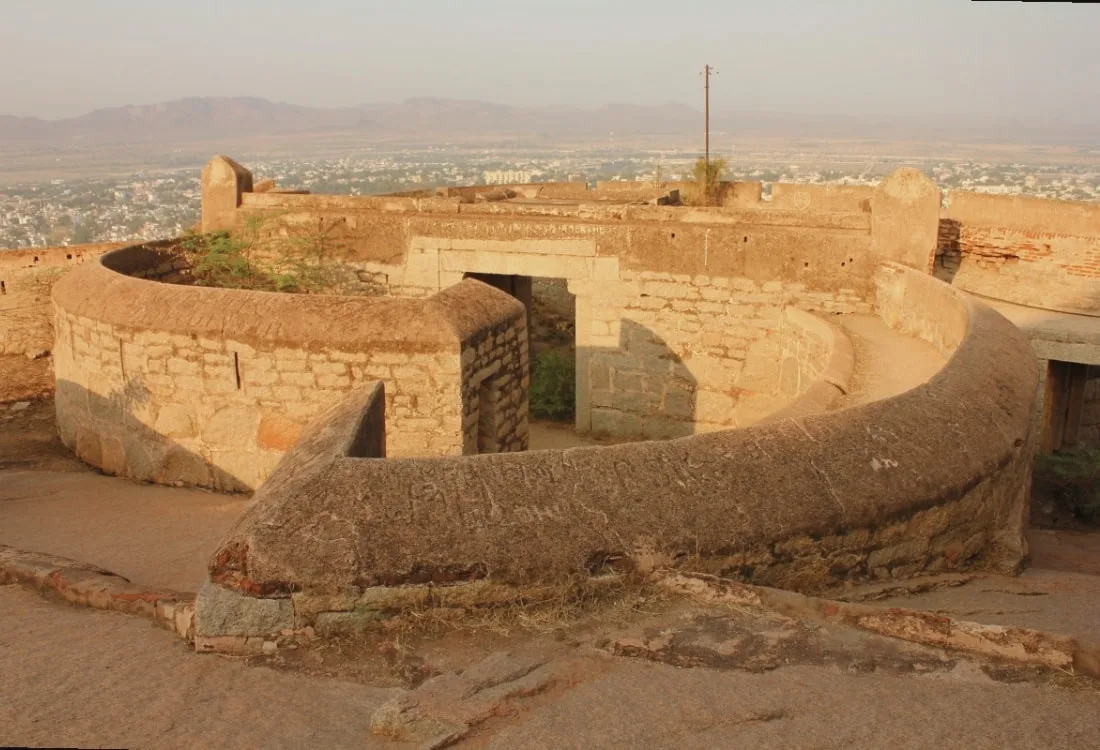
Location: City of Bellary, Bellary District The mighty fort atop the Ballari Gudda hill can be seen from any part of the city as if it was standing watch to this day. The defensive structure on Fort Hill was the first one to be constructed back in the days of the Vijayanagara Empire. Visitors to Bellary will notice that there are two sections of the fort now, simply designated as Upper and Lower Fort. The lower section was added in the 18th century by the French engineer working for Sultan Hayder Ali. You can visit the engineer’s grave, as he met an unfortunate end at the hands of the displeased sultan. Read more: Traveling to India as a Couple Both parts of the fort are located on Ballari Gudda or granite hill, which in its own right looks intimidating enough. The Lower Fort is also known as Face Hill due to rocks around it resembling human faces, and the entire fort is well-connected by roads and railways, so you’ll have no trouble conquering it!
Lad Khan Temple
Location: Historic Site of Aihole, Bagalkot District Regarded as one of the oldest Hindu temples, Lad Khan is estimated to have been constructed somewhere around the 5th century and named after a prince of Chalukya dynasty. What was originally a place of worship of Vishnu, Lad Khan temple now features a lingam designating it as a temple to Shiva. It even employs Nandi, the guardian deity of Shiva’s abode Kailasa. What’s most interesting about this temple, besides being one of the first of course, is the fact that in its construction, you can see the first attempts at what are later going to become staples in Hindu temples. First of all, there’s a rectangular area, a maha mandapa, leading to a square shrine. Secondly, you’ll notice the first attempt at a shikhara, albeit a very short one. A lot of the walls are decorated with floral patterns that persist to this day, beautiful details that really complement the rest of the temple. It’s easy to see how important this structure is and why Aihole became one of the most visited tourist places in North Karnataka.
Durga Temple
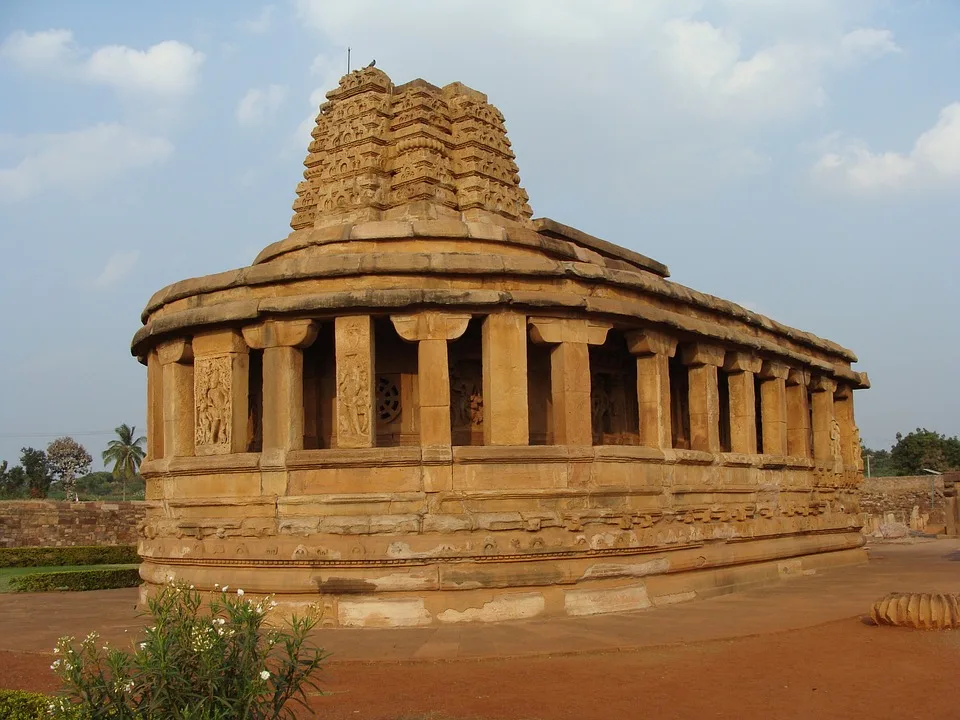
Bara Kaman
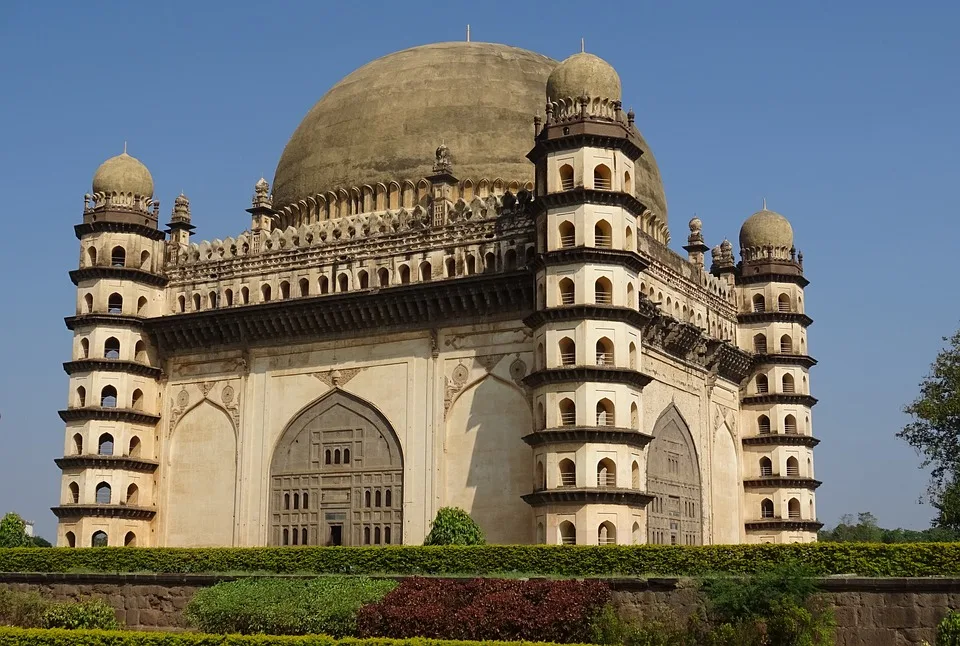
Location: Vijayapura District For an unfinished mausoleum, Bara Kaman sure casts a mighty shadow, especially considering the fact that the construction ended with the murder of the person to whom it was dedicated. Interestingly enough, it was indeed its shadow that’s led to gruesome events that unfolded in the 17th century. Ali Adil Shah wanted a mausoleum so grand that it would be the most magnanimous building imaginable. With twelve horizontal and vertical arches, Bara Kaman would even (quite literally) cast the shadow on his father’s Gol Gumbaz. As it seems, his father, Mohammed Adil Shah would not stand for this and he murdered his own son. The construction of the mausoleum was discontinued at only two vertical arches, as it can be seen today. The mausoleum serves as the place of eternal rest for Ali Adil Shah, his wife, mistresses, and daughters.
Jama Masjid Gulbarga
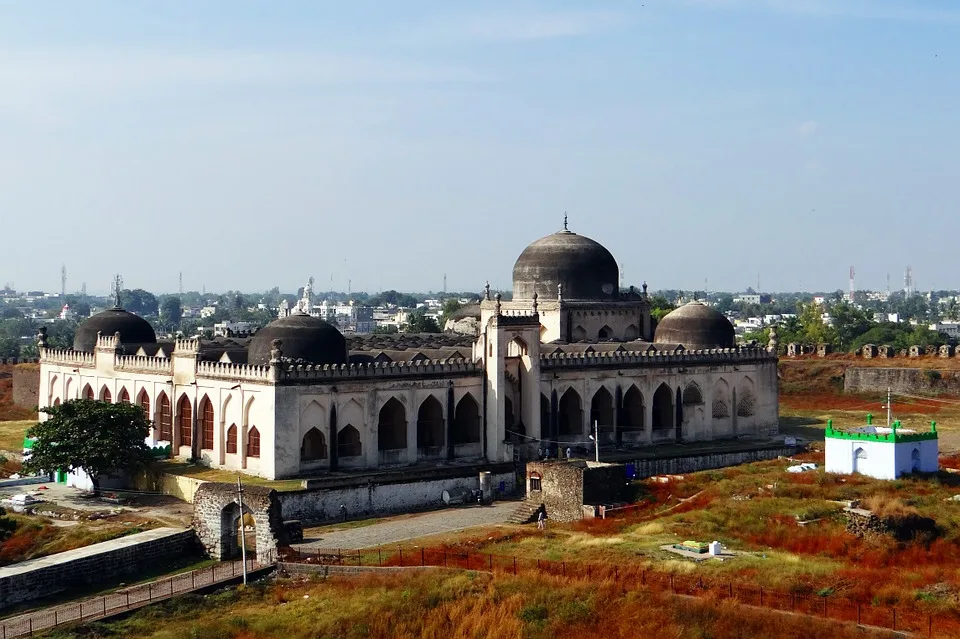
Bijapur Fort
Location: City of Bijapur, Vijayapura District Bijapur Fort is, much like some other entries on this list, a heritage of Adil Shah dynasty who’ve reined over Bijapur (former Vijayapura) almost 200 years. Any tourist will find the visit to Bijapur Fort both educating and enlightening. The fort is quite literally brimming with amazing sights and great monuments left behind by the Sultanate. It’s here that you’ll find the largest mosque in Bijapur, Jamia Masjid, a legacy of many rulers alternating throughout history, each adding something new until it was finally complete. Some of the other structural marvels include Mehtar Mahal, done in Indo-Saracenic style and dated to 1620, the tomb of Ibrahim Adil Shah II, and Gagan Mahal. One thing that all of these buildings (and others we haven’t mentioned) have in common is constantly striving to be grander than the buildings that came before it. All of these tombs, mosques, and even water reservoirs are illustrious structures intended to display the wealth and power of Adil Shah dynasty.
Kudala Sangama
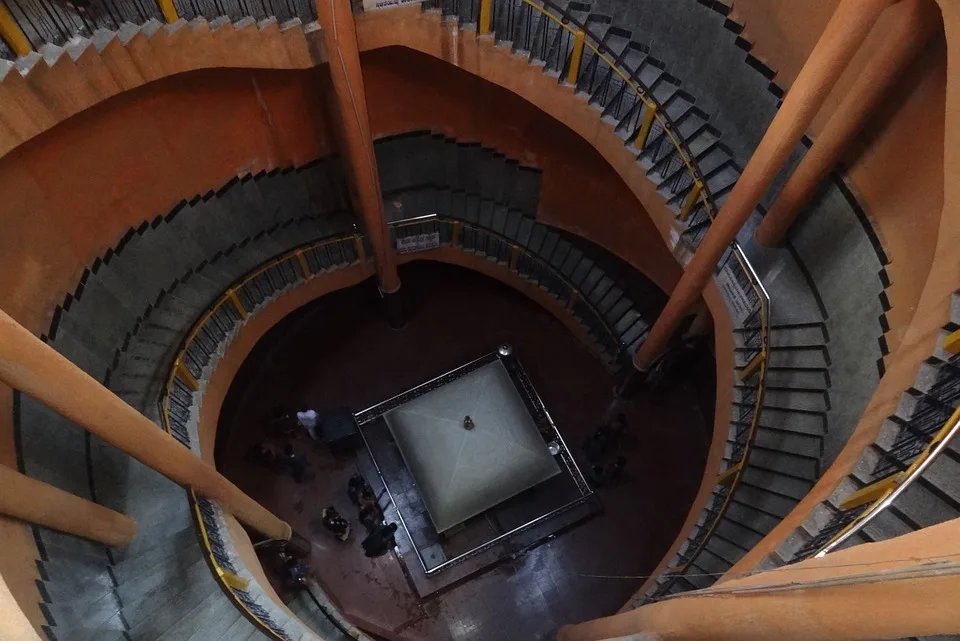
Bidar Fort
Location: City of Bidar, Bidar District The name givers of the region weren’t that creative it would seem, running out of ideas the farther north they went, for you can visit Bidar Fort in the city of Bidar on the plateau of the same name in the district of Bidar. While it is mildly amusing to poke fun at the lack of creativity of the northernmost region of Uttara Karnataka, the beauty of this red laterite fort is indisputable. While visiting the Bidar Fort and its seven gates, two of which (thankfully) remain unnamed to this day, is an interesting prospect, don’t forget that the plateau borders one of the biggest volcanic features of the world - the Deccan Traps. As for the fort itself, over 30 monuments can be found there, a daunting challenge for an article, but futile at the same time. The heritage of middle ages India should be experienced directly.
Raichur Fort
Location: City of Raichur, Raichur District About 254 miles from the capital of Karnataka, Bangalore, you’ll find a city that’s as culturally rich as any other in the state. Raichur and its fort have survived many empires and Sultanates alike. The structure you can see today rising above the city of Raichur was most likely constructed in the 13th century when the Kakatiya empire was at its peak. It’s quite an impressive sight to behold, and many travelers value making a trip to this city, just to see the Raichur Fort rising above it all. It’s one of the locations where you can partake in some exploratory efforts yourselves, considering that new sections of the fort are still being discovered.
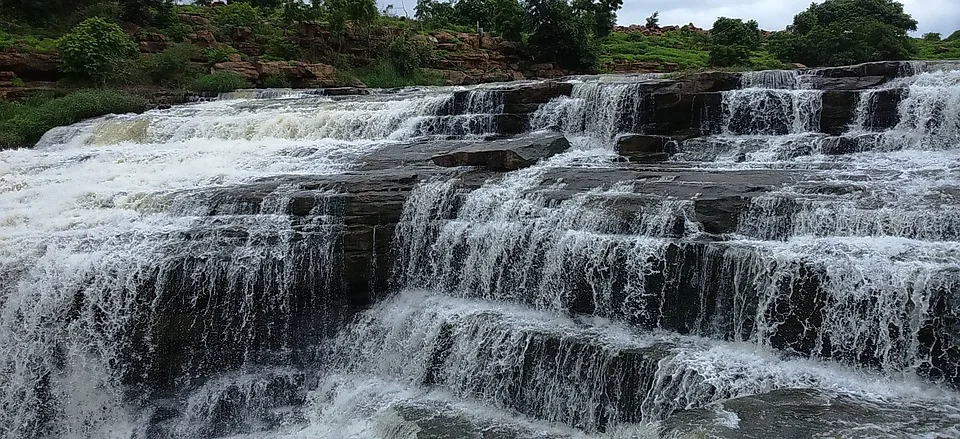
Godchinamalaki Falls
Meguti Jain Temple
Location: Historic Site of Aihole, Bagalkot District We’re back at Aihole, simply because it’s historically too valuable not to be revisited at least one more time but in a Jainistic context. Meguti is a variation of the word ‘megudi’ meaning upper temple. This perfectly describes Meguti Jain Temple sitting atop of a hill, surrounded by the walls of Aihole fort. It’s one of the more interesting sites of North Karnataka mainly due to its unique interior layout. It keeps increasing in height, so there are stairs connecting mandapa with the elevated sanctum. Moreover, this temple rests dominantly above the area, giving a great overview of the surrounding landscape, which, as you can tell by now, is rich in structures of immense cultural and historical significance. For such a large and historically rich region, these tourist places to visit in North Karnataka only scratch the surface. If you have any favorites of your own, we’d love to hear more about them!