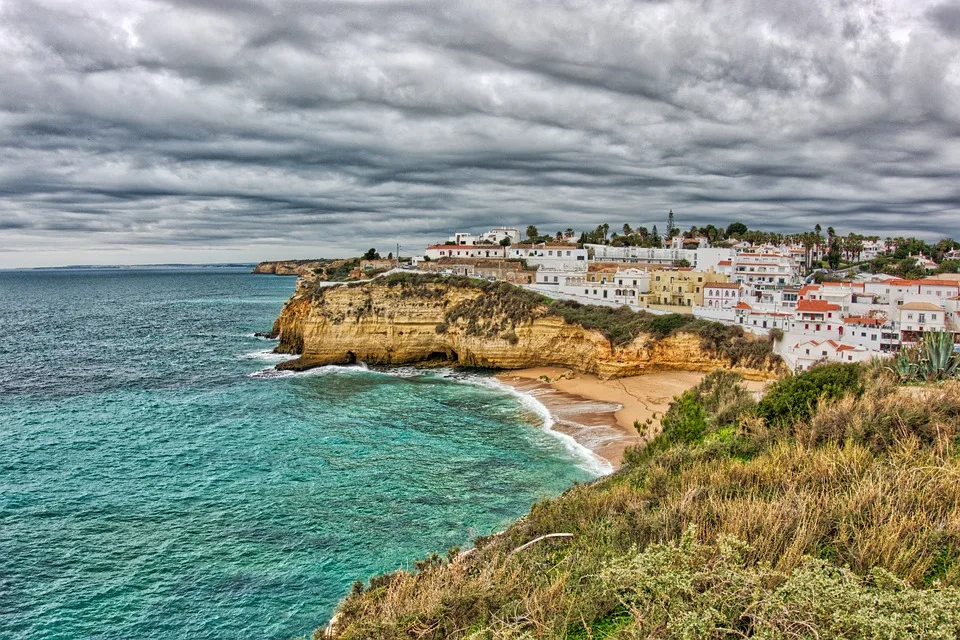
Portugal’s Atlantic coast includes everything from long sandy beaches to small coves, with well-known stretches around Lisbon, the Algarve, and the country’s islands. This guide highlights seaside towns across those regions, while many other coastal places are also worth exploring. For a broader overview, see Visit Portugal’s guide to the country’s beaches.
Cascais, Lisbon
Much like the rest of the seaside towns in Portugal, Cascais is a charming amalgamation of old and new, noticeable every step of the way. From cobblestone streets to the busy marina, this fishing town has charm written all over it. The architecture of the 17th and 18th centuries is at places marred with modern tourist facilities, but don’t let it get you down. Focus on gorgeous structures such as Palacio de Cidadela, which used to be a summer retreat for the royalty, and discover the surrounding area on a bicycle. However, the reason why most people come here is breathtaking beaches only 18 miles (30 kilometers) from Lisbon. Take to Praia dos Pescadores, Praia da Rainha, or Praia da Duquesa and bathe in the Atlantic. How to Get Here: Cascais is connected to Lisbon by public transport. Check current routes and fares with the relevant operator before travelling; CP publishes train journey planning and tickets.
Aveiro, Centro Region
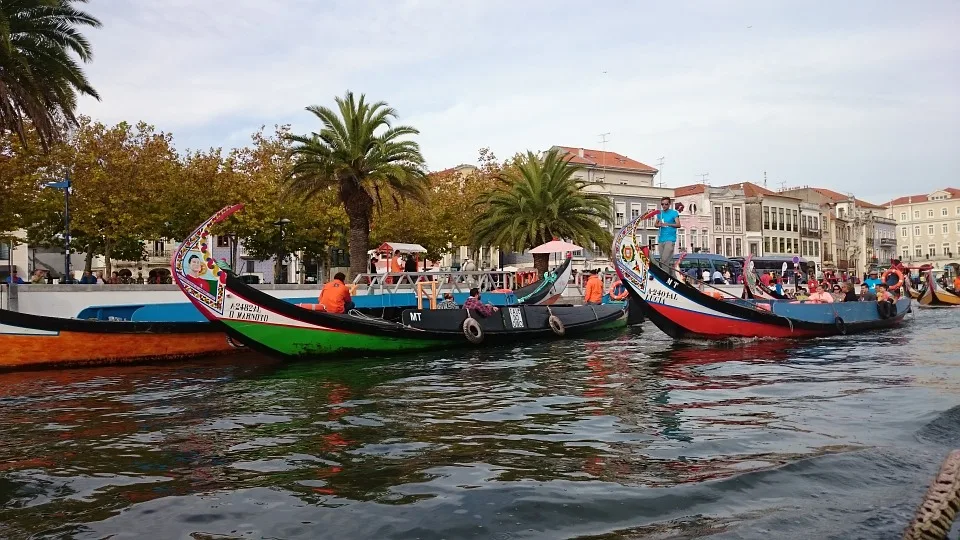
Affectionately dubbed ‘Venice of Portugal’ is situated about 46 miles (75 kilometers) south of the city of Porto, and you won’t fail to see why. A network of canals that cut and carve through the beach town of Aveiro give it a very romantic appearance. From simple Meditteraneanesque whitewashed houses to colorful cottaged and boats reminiscent of Venetian gondolas, Aveiro really is a feast for the eyes. Don’t set your expectations too high though as people often do when they hear the name ‘Venice’ - instead, see Aveiro for what it is, a unique work of Noveau art. And when you’re done doing that, hit the lovely beaches of the Aveiro Lagoon, or try to find your way to Praia da Costa Nova. How to Get Here: Aveiro is reachable by train from Porto. Check the route and current fare with CP.
Tavira, Algarve
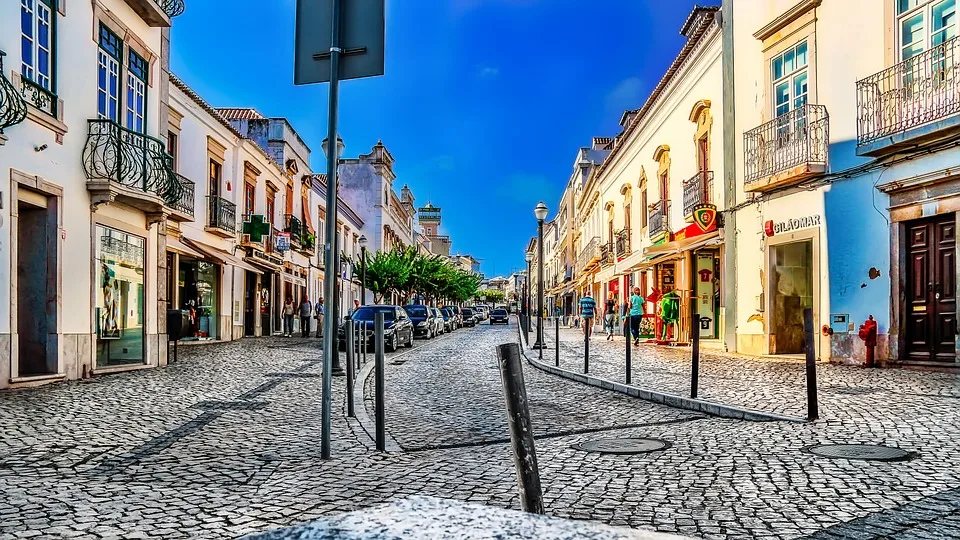
There’s hardly a more picturesque and charming place in all of southern Portugal than the magnificent Tavira, situated just a mile from the Atlantic Ocean. What you’ll find here is a selection of incredibly beautiful cobblestone streets, bordered by white buildings whose roots go all the way back to the Moorish era. The bucolic nature of this town is only further reinforced by ancient structures such as the Roman Bridge, or the more recent Gothic and Renaissance churches. When you tire from exploring all the landmarks of immense cultural and historic value, head down to the coast. Praia do Barril, Praia da Ilha de Tavira, and many more await you. How to Get Here: Tavira is connected by rail to Faro. Check current train times and fares with CP; airport connections and local bus options are listed by VAMUS Algarve.
Viana do Castelo, Norte
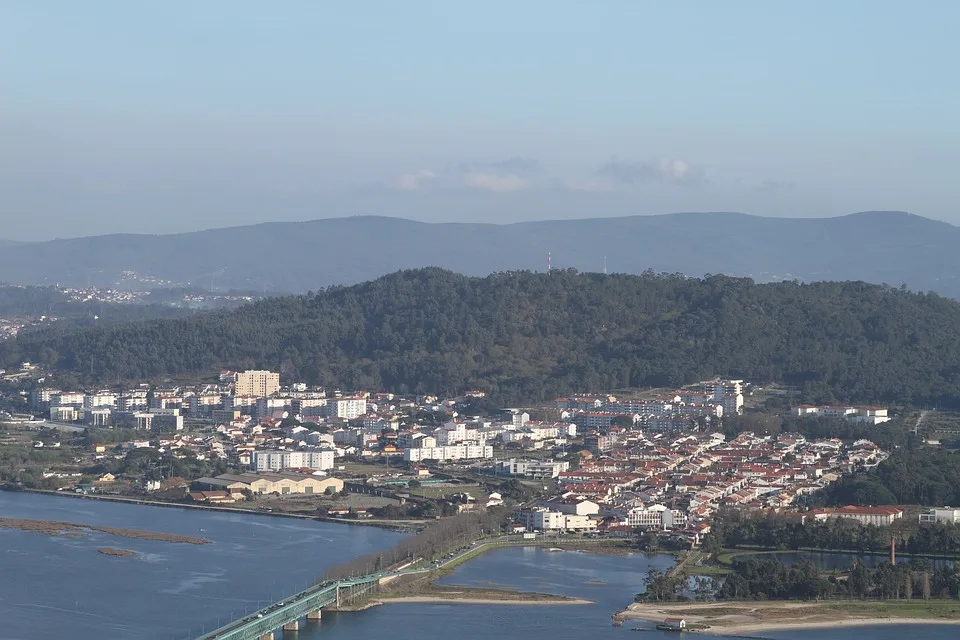
Viana do Castelo is a real treasure trove of incredible architectural gems and sandy beaches that are bound to reel you in with all their worth. This old and picturesque beach town sits at the very mouth of River Lima, an entry point for most of the traders doing business between the 16th and 18th centuries. The rich heritage of the town is a mixture of Gothic, Renaissance, and Baroque influences, scattered around Viana do Castelo. Ornate figures of Chafariz Fountain and the incredible Paços do Concelho, a 16th-century town hall, only scratch the surface of what you can see here. North Beach and Praia do Cabedelo await guests eager for an unforgettable summer holiday. How to Get Here: Viana do Castelo can be reached by train from Porto. Check current routes and fares with CP.
Peniche, Oeste
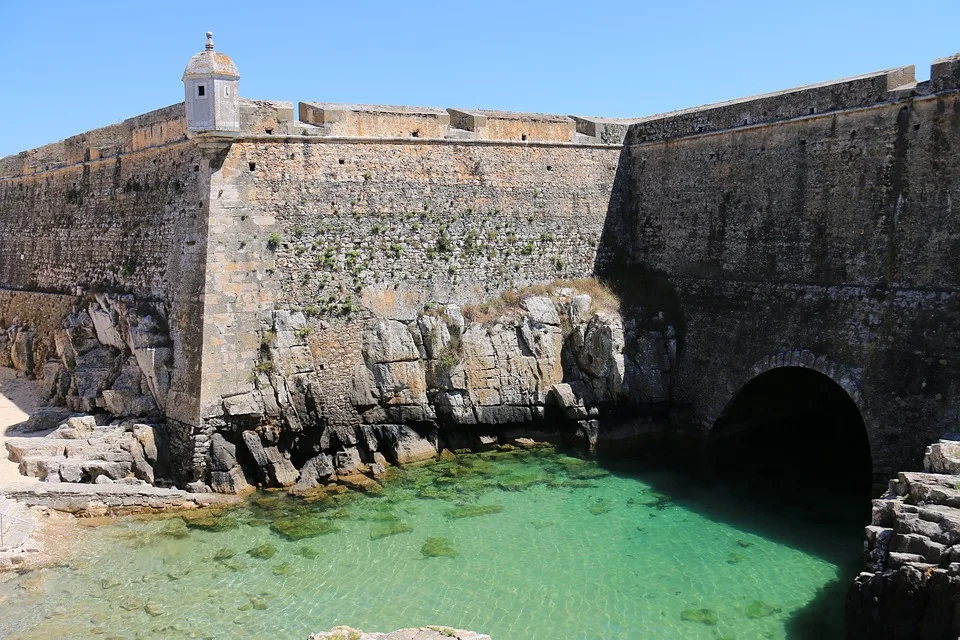
Sitting atop a rocky peninsula, there’s a place so great and majestic, perhaps even one of the best beach towns in Portugal - Peniche. To be more specific, it’s the best seaside town if you’re a surfer thanks to the long beaches surrounding it, allow for the formation of sometimes truly intense waves. The town itself is walled off atop the peninsula, with more than a single interesting landmark. See Fortaleza de Peniche, which used to be a fort, then a prison, and then a museum of history. Also, check out Monumento à Rendilheira, a statue of a lacemaker, and the very active fishing port. Finally, get your surfboard and hit Praia dos Supertubos or Praia de Dunas, but be warned - waves here are not beginner-friendly. How to Get Here: Peniche can be reached by coach from Lisbon. Check current routes, journey times, and fares with the operator; Rede Expressos serves routes across Portugal.
Aljezur, Algarve
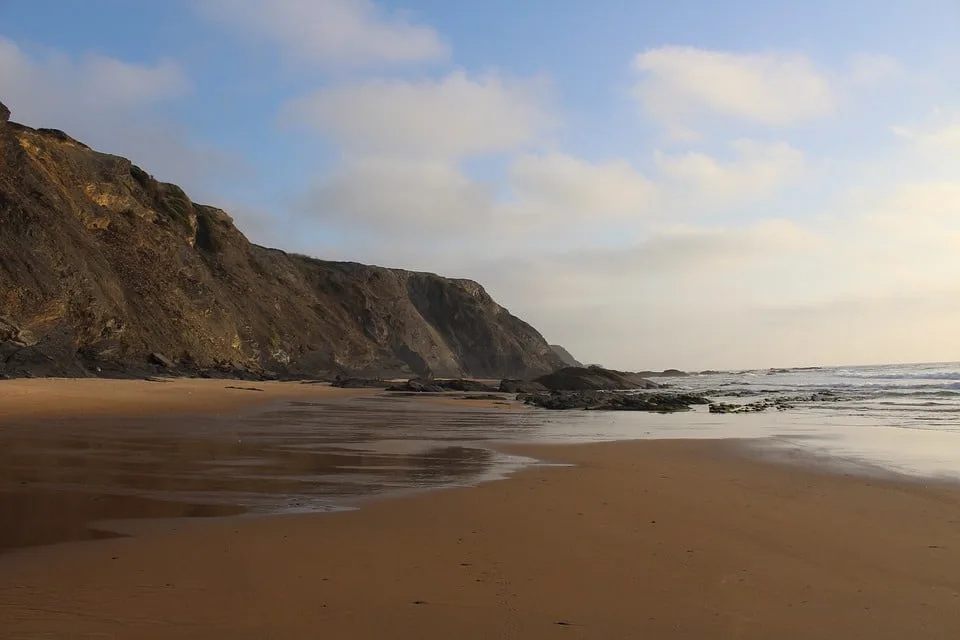
Those looking to avoid the more crowded places along the Portuguese coastline will find their place right here, in Aljezur. Mostly frequented by locals all year round, it seems that Aljezur still remains largely unspoiled by endless tourist crowds. The rustic appearance of the village and the natural park known as Parque Natural do Sudoeste Alentejano e Costa Vicentina give it some very unique charm. The beaches are something else altogether, perfect stretches of sand located in great natural surroundings. Some of the local-favorites are Praia da Arrifana, Praia de Monte Clérigo, and Praia do Medo da Fonte Santa. Read more:Best White-Sand Beaches in EuropeHow to Get Here: Aljezur is served by road connections. Check current regional bus routes and fares with VAMUS Algarve before travelling.
Ferragudo, Algarve
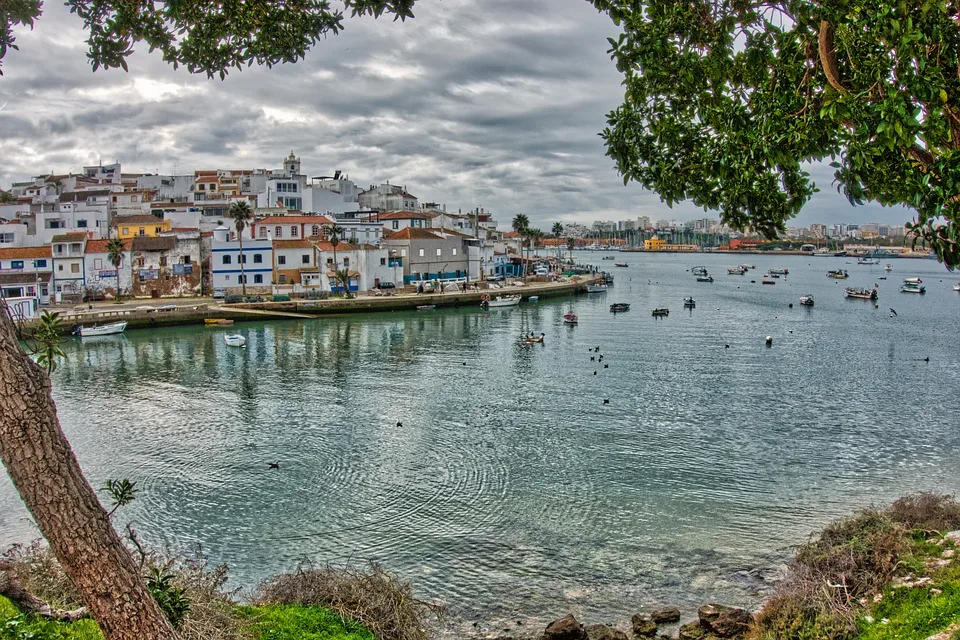
Another hidden gem worthy of visiting for a multitude of reason, but especially so if you’re looking for a getaway from all the crowds is Ferragudo in Algarve region. The relaxed vibe of this, yet another small fishing village in Portugal, is absolutely the best feeling in the world to have on a vacation. Whitewashed homes and colorful boats, strewn about the beach, will make your stay in Ferragudo a magical one. Fort of São João de Arade and Homenagem às Tripulações Salva-Vidas de Ferragudo are must-see landmarks of Ferragudo, just a short walk away from any point in the town. But Ferragudo is not known as a beach town for no reason, so make sure to check out Praia da Angrinha, Praia da Infanta, and other beaches nearby. How to Get Here: Ferragudo is in the Algarve, where regional bus routes are listed by VAMUS Algarve. Check current connections and fares for your travel date.
Azenhas do Mar, Greater Lisbon
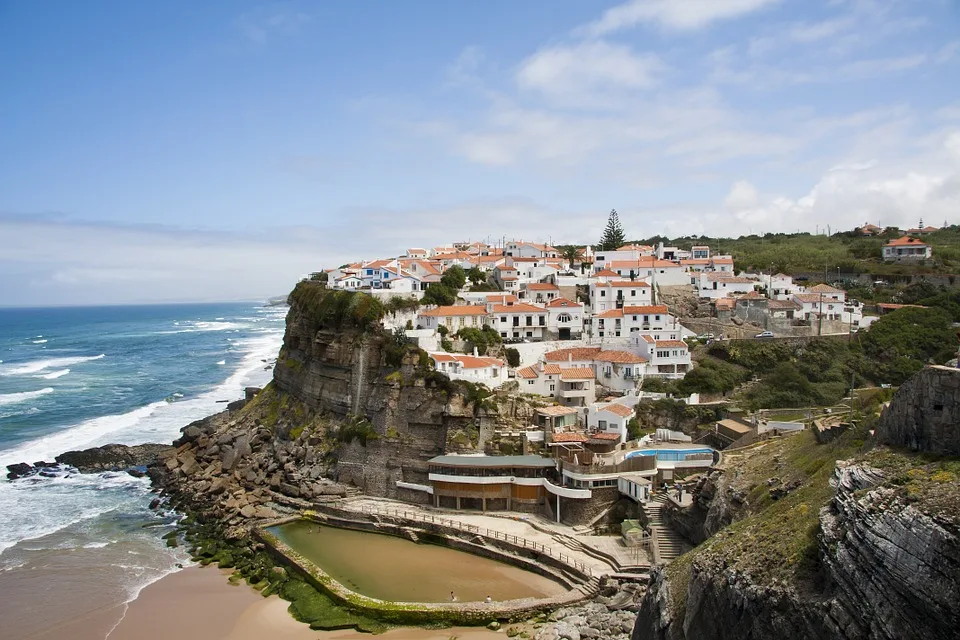
Azenhas do Mar is perhaps the most picturesque entry on this list, situated in the area of Greater Lisbon and not too far from Cascais. The location of this beach town is absolutely dreamy, with buildings like pearls scattered across the cliffside. Down below, you’ll find the beach just waiting for you to complement the beauty of the town above. Praia das Azenhas do Mar is the aforementioned gorgeous beach just waiting for you, ready to provide you with a truly breathtaking experience of the Atlantic Ocean. Moreover, the seafood at restaurants in Azenhas do Mar is simply divine, so give it a go if you’re a fan. How to Get Here: Azenhas do Mar can be reached via Sintra using regional public transport. Check current train routes with CP and local bus routes with the relevant operator before travelling.
Ponta Delgada, Azores
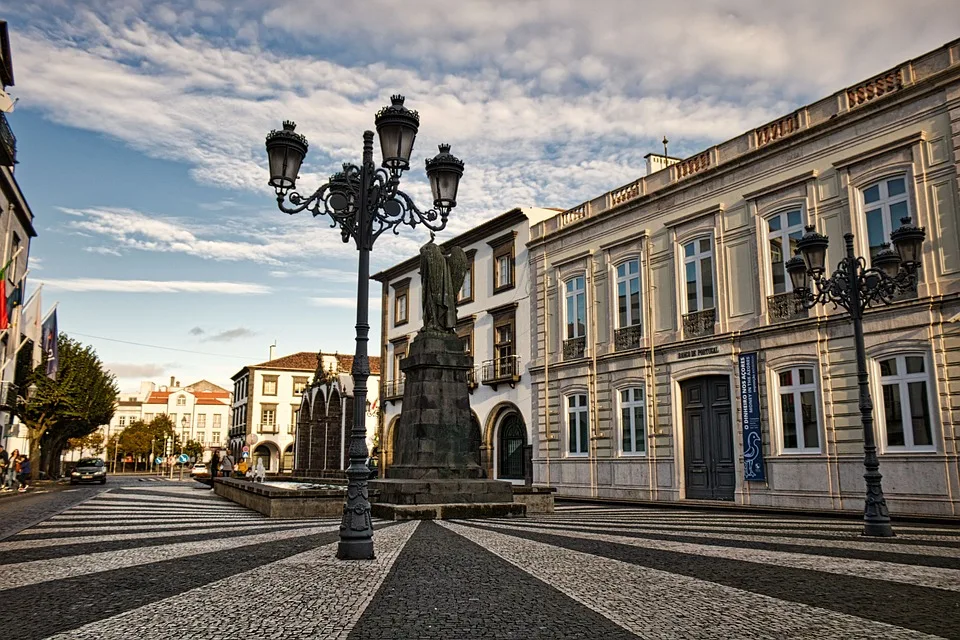
We would be remiss if we didn’t give the Azores Archipelago some time in the spotlight, including Ponta Delgada on São Miguel. There’s much to see here, from Portas da Cidade and Forte de São Brás to Gruta do Carvão, a lava tunnel. Hike along the island’s trails or marvel at the black basalt architecture of the town. Nearby beaches include Praia do Pópulo and Praia das Milícias. How to Get Here: Check current flight and local transport options for your dates before travelling.
Azeitão, Lisbon
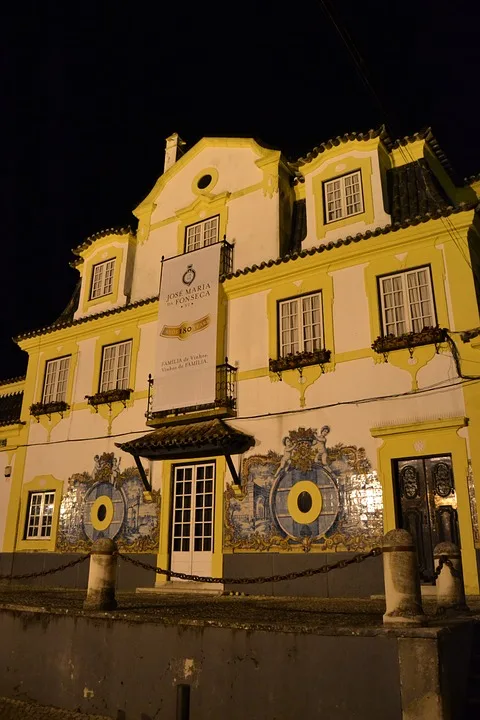
There’s way too much to be said about Azeitão in contexts other than beaches and summer holidays, but we’ll try and display at least a portion of its splendor now. With such a rich culture and even richer tastes to be discovered here, Azeitão is more than just a small beach town in the vicinity of Lisbon. Azeitão tile art is something you’ll have to find out during your stay as you’re visiting innumerable landmarks, only some of which are Church of São Lourenço and Quinta da Bacalhoa. The latter is a wine estate where you’ll be able to try some of the most spectacular brews, accompanied by stunning Azeitão cheese. And don’t worry about the beaches, there are enough to keep you busy for a month, but a good place to start is Praia de Galapinhos. How to Get Here: Azeitão is south of Lisbon and can be reached by road. Check current local public transport routes and fares for your travel date.
Albufeira, Algarve
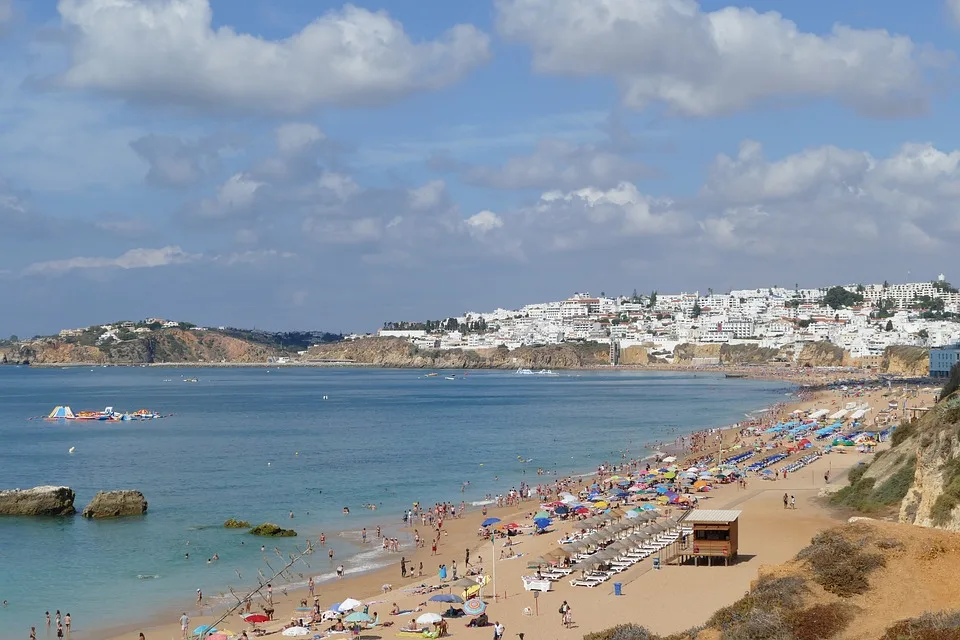
Albufeira is, unlike plenty of other places on this list, already quite popular, so expect to see a lot of tourists around. While it probably doesn’t sound so awesome if you’re scrounging for some non-touristy places to check out, but the odds that you’ll like it are pretty high. After all, it is often said that it was precisely Albufeira that put the region of Algarve on the tourist map. At least the old town is separated from the main touristy area called The Strip. As you would expect, The Strip is where all the bars, restaurants, clubs, and shops are. Praia dos Alemães and Praia do Inatel beckon visitors closer! They’re huge beaches with plenty of room for all the visitors, so it’s one place you will really be able to relax and enjoy the scenery. How to Get Here: Albufeira is connected to Faro by regional bus. Check current routes, schedules, and fares with VAMUS Algarve.
Carvoeiro, Algarve
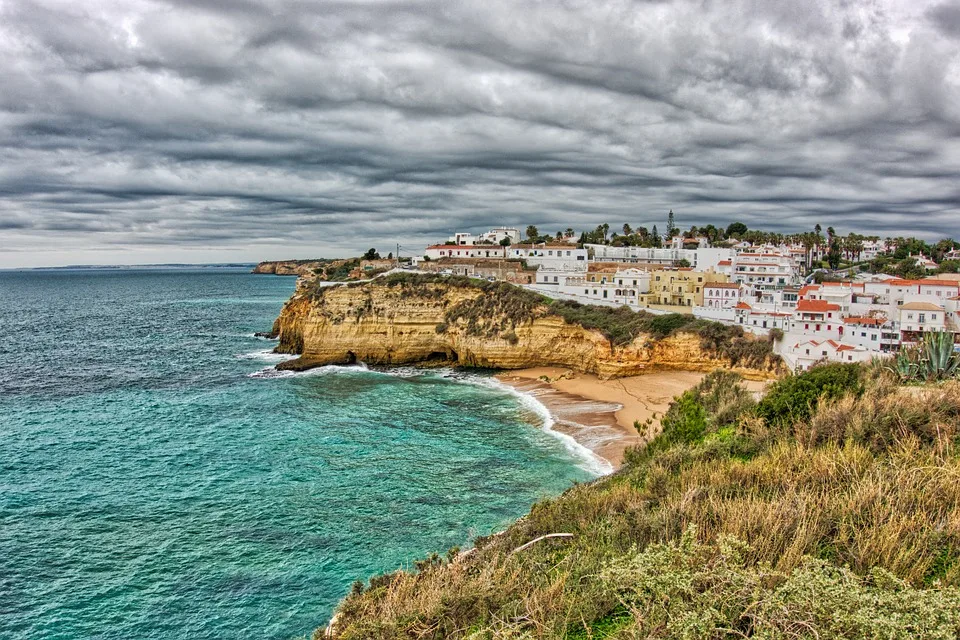
The search for the best beach towns in Portugal will, in the end, lead you to Carvoeiro - at least if you do your research because it’s neatly tucked away from prying eyes. For a small fishing village, Carvoeiro sure packs the punch. From the higher points of the village, you’ll be able to see a good (and beautiful) chunk of Algarve all around you. It is said that its name originates from the word ‘caboiere’, meaning ‘hamlet/cottage of’. There’s a lot to be seen here, but even more to be done. You could go on a full-blown adventure to Benagil Caves, or find the best possible view of the area by hiking. Or, get down to Praia de Carvoeiro and Praia do Paraíso and have a day trip of your lifetime. How to Get Here: Carvoeiro is in the Algarve. Check current regional bus routes and fares with VAMUS Algarve. Beautiful towns, each and every one of these. Most of them are former fishing villages, some have developed and modernized, some have retained their rustic charm. It’s up to you to decide now what suits you best, and where you could head out next.
Frequently asked questions
What are the best beach towns in Portugal for first-timers?
The Algarve offers many accessible towns with cliff views, boat trips, and sandy beaches. Lisbon and Porto also pair city time with nearby Atlantic beaches.
How do I get around the Algarve?
Rental cars offer the most flexibility; buses connect larger towns. Taxis and ride-hail work well for short hops.
When is beach weather best in Portugal?
Late spring through early autumn is warmest for swimming; midsummer is busiest on popular strips.