Best Time to Visit Ireland and Scotland

Best Time to Visit Ireland and Scotland

TrulyTraveled Team
TrulyTraveled Team
11 min read

Apart from England and Wales, Ireland and Scotland usually top the lists of the UK itineraries. Though we are accustomed to seeing them depicted as constantly cloudy and rainy, the reality is far from that. In fact, there are many periods of the year that actually make up for the best times to visit Ireland and Scotland.
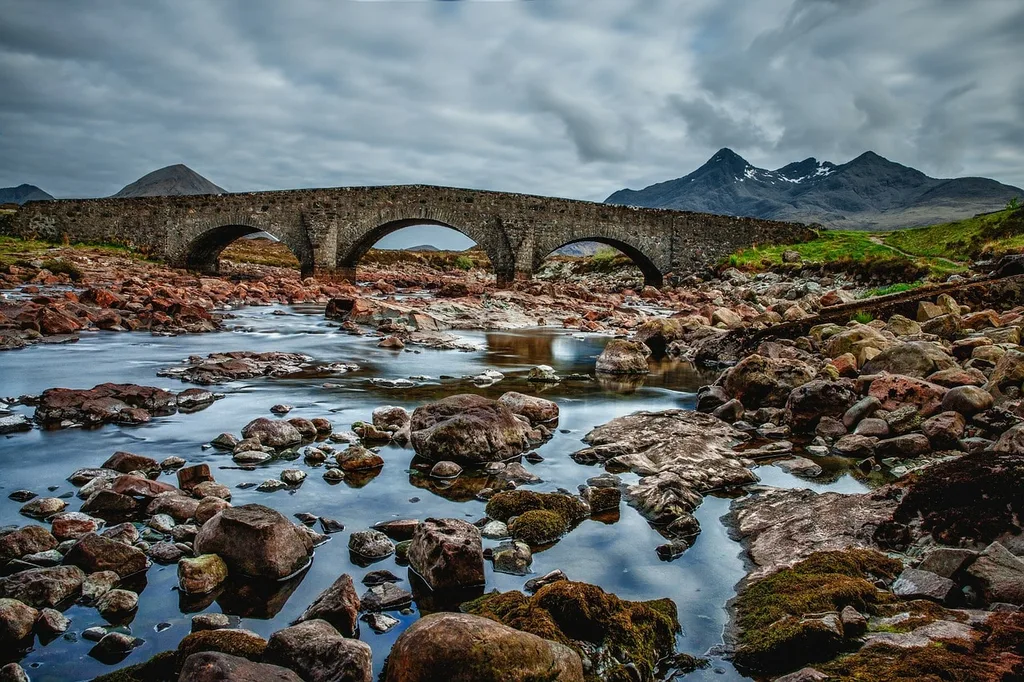
A placid landscape in Scotland in autumn

When To Come To Ireland and Scotland

These two countries are predominantly influenced by the Atlantic Ocean making their climate mild and pleasant all year round. Being rather hilly, they are well protected against strong winds and severely low temperatures. Still, weather in Ireland and Scotland can be volatile and unpredictable at times. Although certain seasons are ideal when you want to escape the crowds, other visitors will surely appreciate the hustle and bustle of the busiest seasons. Unsurprisingly, both Ireland and Scotland experience dramatic changes in appearance as the seasons change and each one carries its own distinct charm with it. Read more: Best Ways to Spend 2 Weeks in Europe

Summer in Ireland and Scotland

In Ireland, temperatures in summer rarely exceed 68°F and it’s predominantly pleasant and sunny. Summer months cover the period between May and July. During that time, you will be able to experience extended hours of daylight. As a matter of fact, the summer solstice in the Northern Hemisphere happens around June 21st and it signifies the beginning of “the longest day” - the time when the sun rises as early as 5 am and doesn’t set until 10 pm. It’s a perfect opportunity to go out and about without the fear you will be caught out in the darkness. Summer in Scotland also spans from June to the beginning of August and the temperatures rarely go above 63°F. Extended twilight and pleasant long summer days are ideal for a relaxing vacation. What’s more, the far north of Scotland never actually gets completely dark at this time of year. These extra hours of daylight make summers in Scotland the best time of year for a perfect summer getaway.
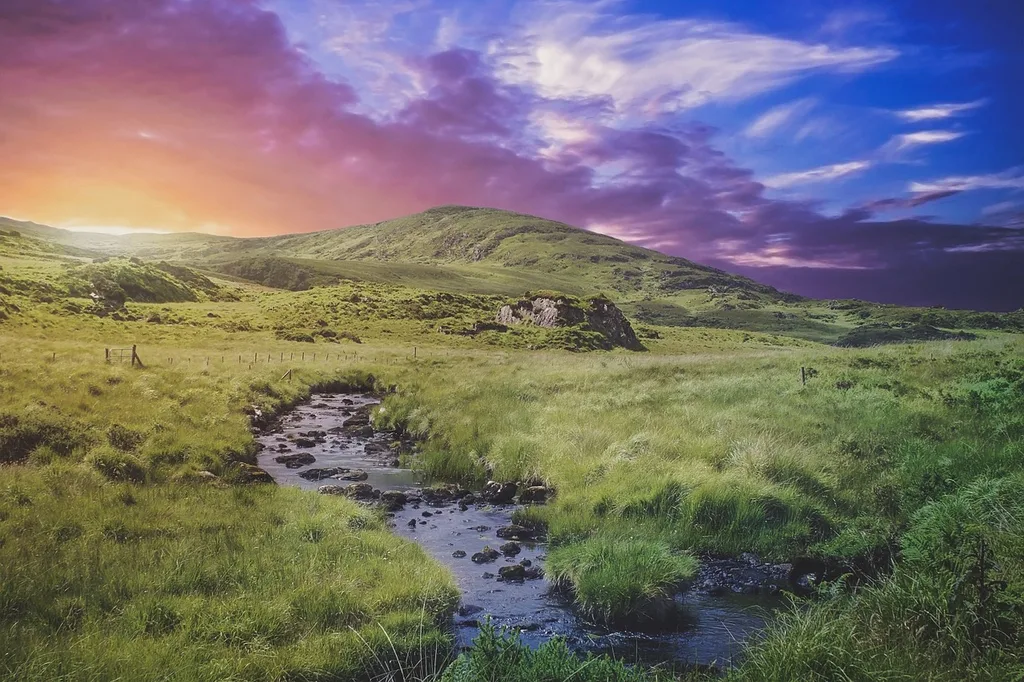
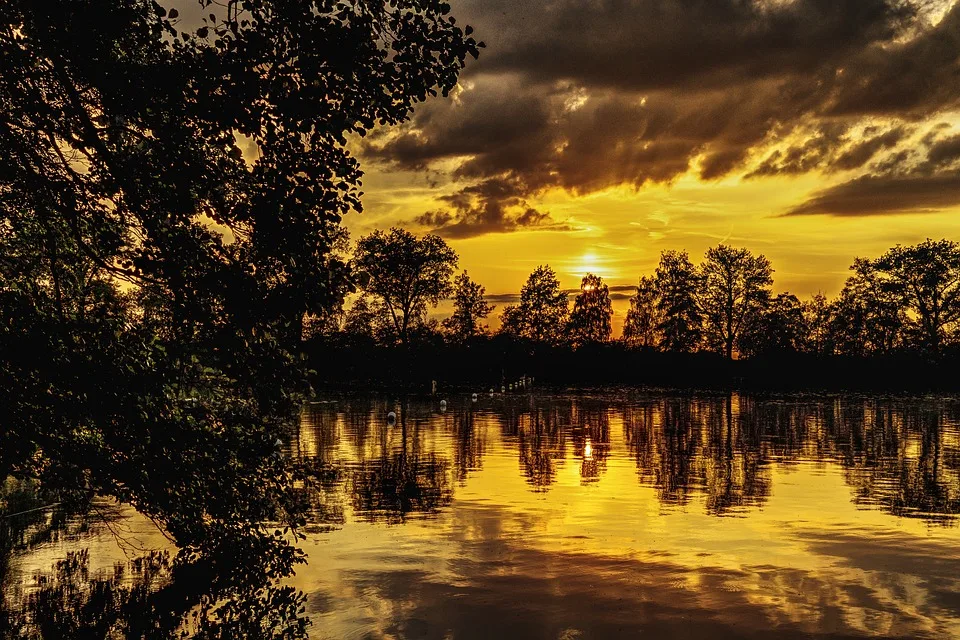
A beautiful summer evening somewhere in Ireland
Summer vacation in Ireland and Scotland offers a wide range of indoor and outdoor activities, enough to make a hefty bucket list. Topping the lists of Scottish itineraries are the majestic Isle of Skye and the Stirlingshire region which are a no-miss in the summertime. Irish summers are also perfect to embark on road tripping adventures along the Causeway Coastal Route or have an unforgettable time on one of the annual summer festivals.

Spring in Ireland and Scotland

Spring is possibly one of the best times to visit both countries. Not only does everything start to blossom and flourish but the temperatures also range from 46 to 54°F, making these countries highly favorable for exploration and adventures. The average temperature in Ireland in spring is a bit chillier than in summer, especially in the evening. On the other hand, the chances of rain are least likely during spring, with the biggest number of sunny days in store. Scottish springs are no exception to this. Spring in Scotland begins in late March and ends in May while the temperatures are just enough to get the snow to start melting. Though Scotland, just like Ireland, tends to have unpredictable changes in weather conditions, the risk pays off. Despite popular belief, the driest months are actually April and May, making this period an ideal opportunity to wander off in the Scottish Highlands.
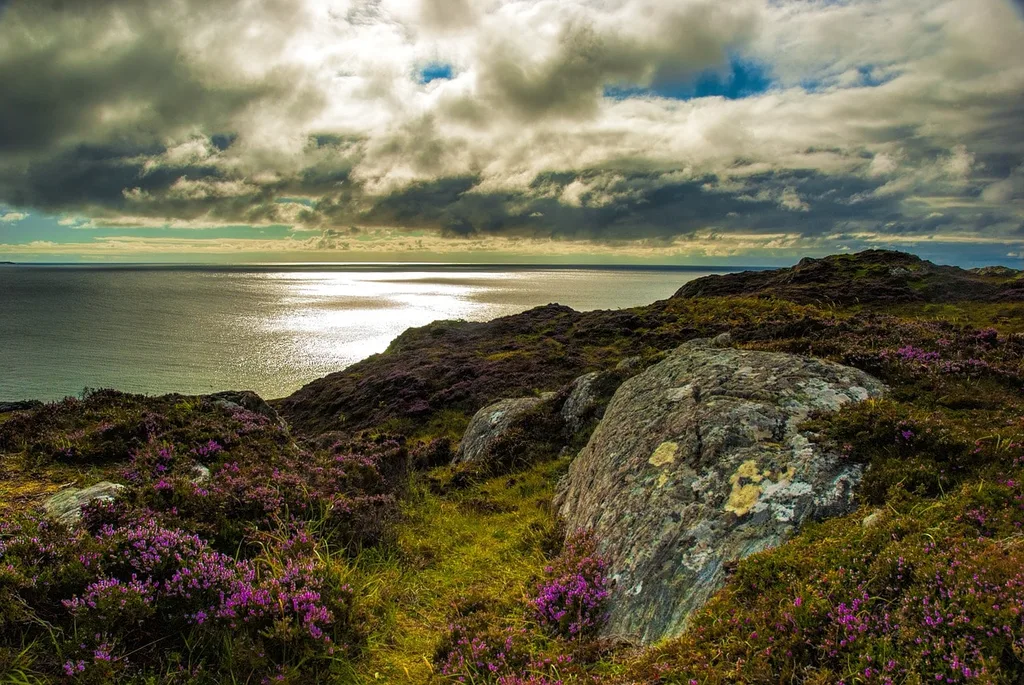
Scottish Highlands in Spring
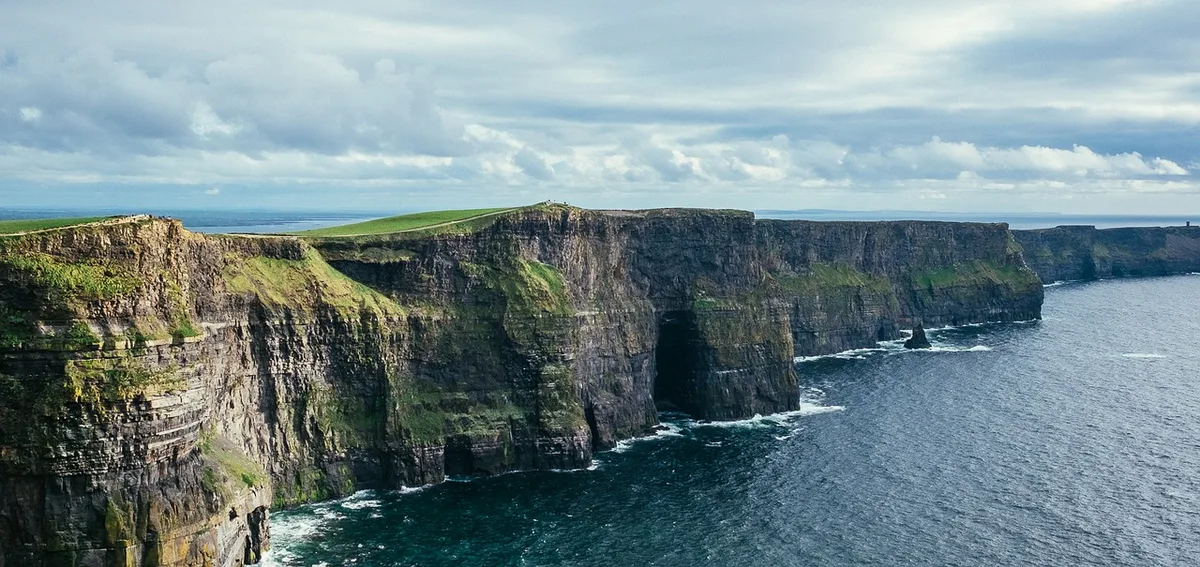
Spring activities in Ireland and Scotland are aplenty. If you’re visiting Ireland in spring, the chances are you will want to be there on St. Patrick’s Day held on March 17. Not only is it the highlight of Ireland’s cultural and social calendar but it’s also a time when the whole country explodes with colors and joviality. Unlike summer which sees a major tourist inflow, Irish springs are perfect to pay a visit to the iconic Cliffs of Moher or marvel the Causeway Coast without having to deal with hordes of tourists. The same goes for Scotland which usually sees a tourist season peak during summer. On the other hand, spring is the perfect time to escape the crowds and enjoy some stunning hiking trails and breath-taking vistas. Natural landmarks such as The Three Sisters mountains, Luskentyre Sands, and Glenmore Forest Park really look majestic once spring disperses its colorful splashes in every direction.

Autumn in Ireland and Scotland

Autumn in these two countries covers the period between September and November. This is the time when temperatures rarely go above 62°F in September and drop to 39°F in November. The days are a bit shorter than in summer and spring and there are more rainy days too. Still, autumn brings some magical touch with it which is why it’s one of the best times to visit Ireland and Scotland. If you’re a Game of Thrones fan, visiting Northern Ireland in autumn will surely bring you closer to Westeros. Not only is this part of Ireland brimming with the Seven Kingdoms localities but it’s also magical during autumn. What’s more, autumn in Ireland marks the beginning of the harvest season so festivals become every fall’s highlight. Waterford Harvest Festival and Mount Stewart Gardens put on incredible shows to celebrate the beginning of autumn.
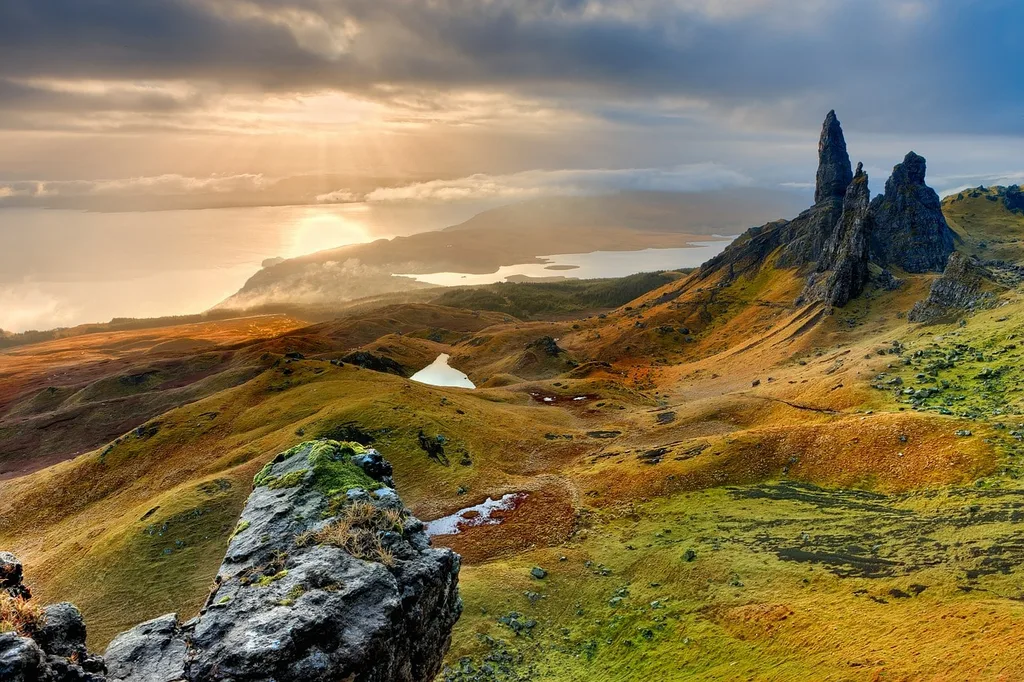
Breath-taking Isle of Skye in Scotland
Visiting Scotland in autumn is nothing short of spectacular, too. It is between September and November that Scottish landscapes burst with colors, giving everything an unforgettable charm. Autumn is the best season to take a trip to Scotland because the crowds start to thin and you will stand great chances of enjoying this wonderful country without any hustle. Gardens and National Parks are abundant in hiking trails, lakes, and wildlife reserves which never cease to amaze nature lovers around the globe. Still, the biggest highlight of Scottish autumn is definitely the magical Aurora Borealis. Though it’s also visible in some Scandinavian countries, Scotland makes up for a perfect Northern Lights spotting destination, especially if you position yourself in Shetland, Orkney, and Caithness.

Winter in Ireland and Scotland

Believe it or not, Irish winters are actually the driest of all seasons. They cover the period between December and February with maximum average temperatures no higher than 46°F. There is no much snowfall throughout the period but there are also fewer hours of daylight. With the winter solstice occurring around December 21st, the sun doesn’t rise until 8 AM and sets very shortly, around 4 PM. Scottish winters are pretty similar, starting around the end of November and lasting until early March. Winters are surprisingly mild unlike in other places on the same latitude (Norway, Canada, or Alaska). The temperatures stay around 44 °F during the day and rarely drop below zero, even in the evening. The South of Scotland is generally warmer than the North although extreme winters are highly rare throughout the country.
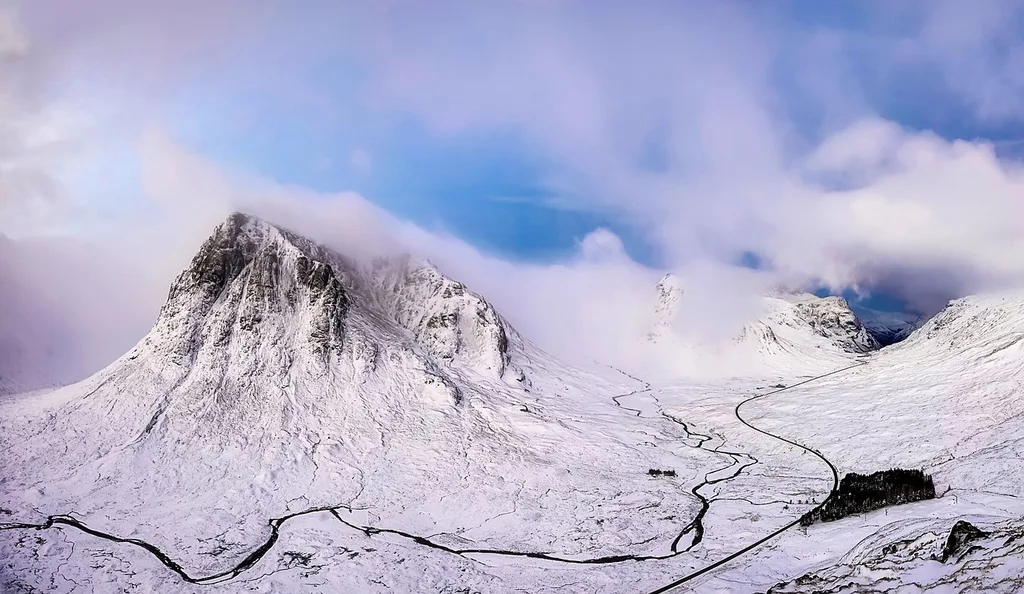
Winter is magical in Scotland
If you thought winter is not the best time to visit Ireland and Scotland, you are in for a big surprise. Winter is off-season which means there will be fewer tourists around. That way you won’t have to break the bank as everything is much cheaper. What’s more, this is just the right time to revel in all things festive as cities throughout Ireland prepare to celebrate the New Year’s Eve. With holidays ahead, you will be delighted by the New Year’s Festival in Dublin or Belfast’s Christmas Market. If you decide to venture further inland, the Mourne Mountains in County Down or Cork’s Beara Peninsula looks simply mesmerizing in winter, making it just the right season to be on the Emerald Isle. Winter is a good time to travel to Scotland as well. It is not the busiest of seasons which means prices will be down and it will be less crowded. Still, you will have to keep in mind that certain attractions close over winter so it’s best to plan your winter itinerary accordingly. There are lots of special events around this time, especially in theaters and markets. The most fascinating of them is definitely Hogmanay - the Scottish equivalent of the New Year’s Eve. Outdoor adventures are aplenty too. Skiing and snowboarding season kicks off in early December, with numerous ski resorts throughout the country. Lastly, you shouldn’t miss a visit to the Scottish castles which become all the more romantic and magical during winter. Read more: Quiet Holiday Spots in Europe

What Clothes to Bring when Visiting Ireland and Scotland

The Scotts swear by one adage: ‘There’s no such thing as bad weather, only the wrong clothes!’ Weather in Scotland varies from region to region and may change several times in a single day. For this reason, what you plan to do while there makes all the difference. However, there is one rule of thumb and that is - layers.
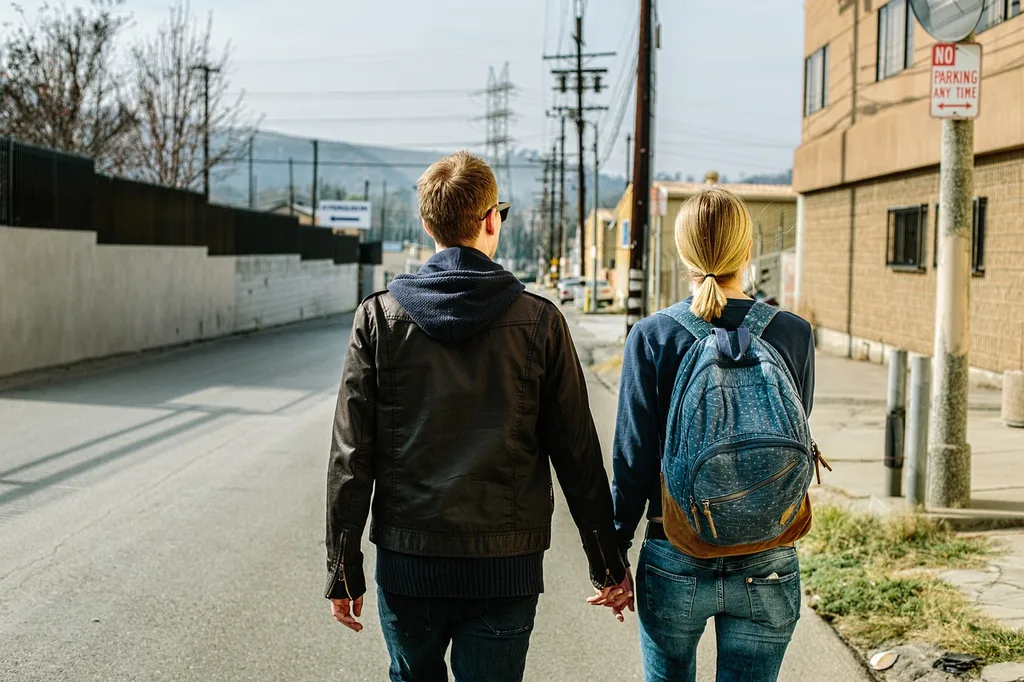
It's best to wear layered clothes in Ireland and Scotland
You should definitely wear layers of clothes you can put on or take off as weather conditions dictate. You may happen to arrive in Scotland on a perfectly sunny day only to be soaking wet a few hours later. Don’t forget to bring a sturdy pair of hiking boots if you’re planning to go exploring, especially in autumn and winter. A warm waterproof coat is also ideal to have with you so that you don’t have to walk around carrying an umbrella all the time. Traveling to Ireland also implies some serious planning wardrobe-wise because all seasons can change in a single day. For this reason, it’s best to pack smart and bring rain gear (coats, jackets, light sweaters, cotton tops, and comfy footwear).

So, What’s the Best Time to Visit Ireland and Scotland?

Obviously, it all depends on what you want to do and what you want to see. Every season in these countries carries its own perks and provides visitors with opportunities to embark on different adventures. Although the weather is more likely to be volatile during certain seasons, the beauty of these countries will surely make up for that no matter when you visit them.

Last updated: April 2026. Opening hours, ferry schedules, and seasonal closures change—confirm Highland/Islands transport and attraction tickets on official operator sites before you travel.

FAQ: Ireland and Scotland timing

Is there a single “best month” for both countries?

Not really—your best window depends on goals (long daylight vs northern lights odds vs festival crowds). Use your must-do list to pick dates, then build backup indoor plans.

How bad is midges in Scotland?

They’re a real nuisance in warm, damp, still conditions—often worse in the Highlands in summer mornings and evenings. Pack repellent and flexible outdoor timing.

Does it rain “all the time” in Ireland?

It rains often, but usually as passing showers; waterproof layers beat a giant umbrella on windy coastal walks.

Renting a car: left-side driving tips?

Take it slow on narrow rural roads, watch for sheep and cyclists, and book automatic transmission early if you’re not confident with manual.
Read next Best Beach Towns in Spain

Best Beach Towns in Spain

Related Articles

Best Beach Towns in Spain

Best Beach Towns in Spain

Those looking for a more authentic seaside experience will find that the best beach towns in Spain deliver peaceful retreats away from crowded tourist hot...

Europe
10 min read
30 Best Beaches in Northern Italy

30 Best Beaches in Northern Italy

Northern Italy is a region of diverse landscapes, nestled between the Alps and Apennines, boasting some of the best beaches in Northern Italy. Its stunnin...

Europe
19 min read
Ploce Beach - The Ultimate Guide

Ploce Beach - The Ultimate Guide

The Montenegrin coast, with its breathtaking landscapes and crystal-clear waters, is one of the most captivating destinations in southeastern Europe. Nest...

Europe
13 min read
Best Non Touristy Places to Visit in Europe

Best Non Touristy Places to Visit in Europe

If you’re like us, you must have wondered at least once where the massively increased volume of tourism is going to take us. Are the best non touristy plac...

Europe
15 min read
14 Things NOT to Do in Barcelona

14 Things NOT to Do in Barcelona

If you’re planning the vacation of a lifetime, there’s no better option than sunny Barcelona. But before you visit the city, there are a few things you ne...

Europe
6 min read
Quiet Holiday Destinations in Europe

Quiet Holiday Destinations in Europe

We are all familiar with how city life can get tiring at times. Traffic jams, horns honking, buses running late, and the constant commotion can wear us dow...

Europe
12 min read
Best Nightlife Destination in Ibiza

Best Nightlife Destination in Ibiza

Ibiza is most famous for its nightlife. It is considered to be one of the best nightlife destinations by many. Bars do not get busy in Ibiza town or San An...

Europe
4 min read