
Table of contents
There are no sovereign countries in Antarctica. Seven states have historical territorial claims—Argentina, Australia, Chile, France, New Zealand, Norway, and the United Kingdom—but the Antarctic Treaty preserves the positions of claimant and non-claimant states without settling them. It bars new claims and enlargement of existing claims. Antarctic Treaty, Article IV
The treaty applies to the area south of 60° South. It does not turn Antarctica into territory owned by no one, nor does it make the historic claims disappear. Three claims overlap on the Antarctic Peninsula: those of Argentina, Chile, and the United Kingdom. Maps may show these sectors, but they are not ordinary national borders.
How many countries are in Antarctica?
None in the sense of sovereign countries with settled borders and national governments on the continent. The seven claimant states maintain their positions under the treaty; many other countries participate in Antarctic research. Research stations are operated through national programs, but a station does not create a territorial claim.
For a look at the people and communities at Antarctic stations, see towns and research stations in Antarctica. For practical travel context, read how to prepare for an Antarctica expedition and Antarctica airports and flights.
Which countries claim territory in Antarctica?
The seven historical claimants are:
- Argentina
- Australia
- Chile
- France
- New Zealand
- Norway
- United Kingdom
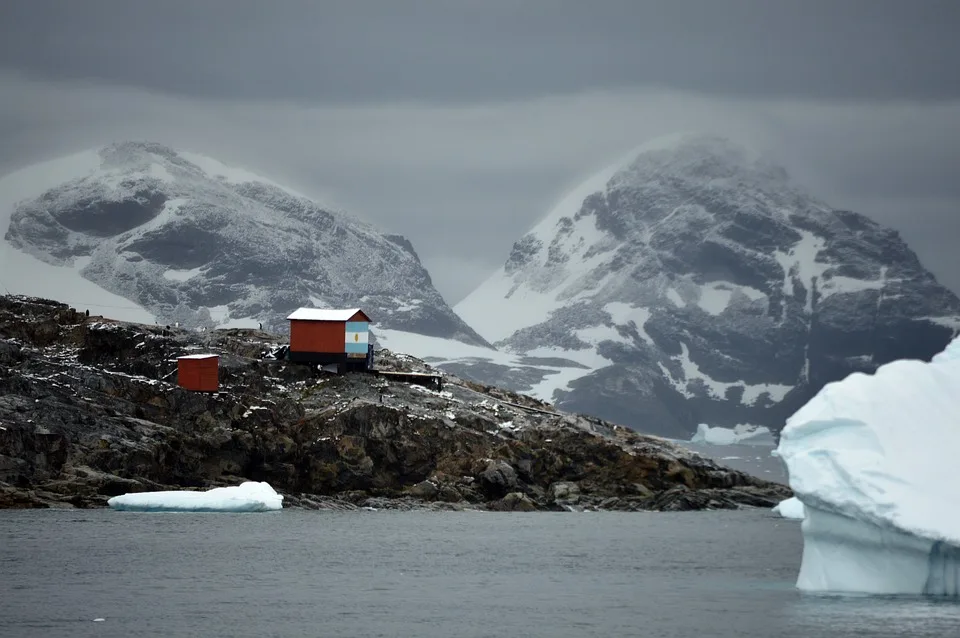
Norway’s claim includes Queen Maud Land and Peter I Island. The Argentine, Chilean, and British claims overlap in part of the Antarctic Peninsula. The Antarctic Treaty does not decide the validity of these claims or require other parties to recognize them. Article IV instead prevents treaty-era activities from strengthening or weakening a claim and prohibits making a new claim or enlarging an existing one while the treaty remains in force. Read Article IV of the treaty.
What does the Antarctic Treaty say about military activity?
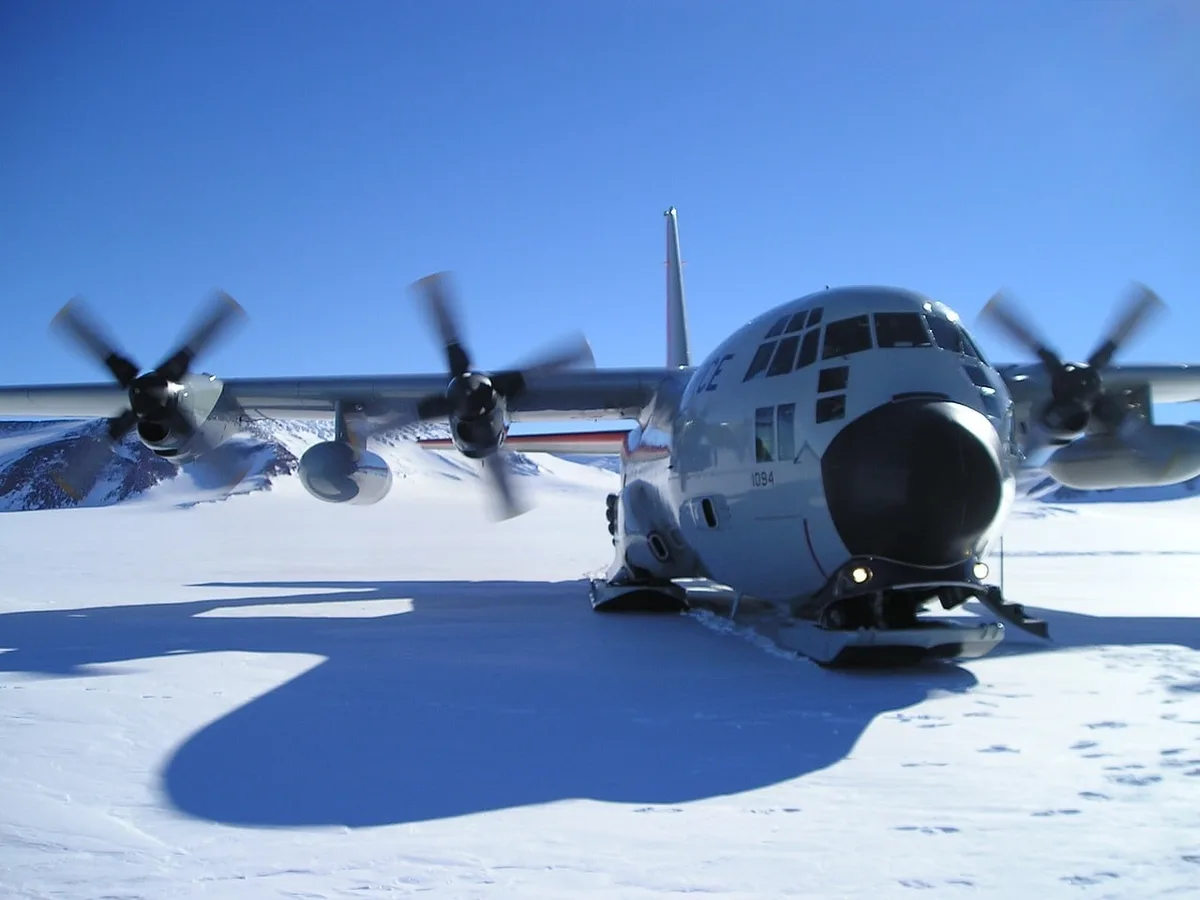
The treaty requires Antarctica to be used for peaceful purposes and prohibits measures of a military nature, including military bases, fortifications, maneuvers, and weapons testing. It also expressly allows military personnel or equipment to be used for scientific research or another peaceful purpose. A country’s military may therefore provide logistics or support without that alone amounting to a treaty violation. Antarctic Treaty, Article I.
The treaty was signed in 1959 and entered into force in 1961. Its original signatories included the seven claimant states and Belgium, Japan, South Africa, the Soviet Union, and the United States. The Antarctic Treaty System also includes later agreements on environmental protection and other Antarctic matters; it is not a declaration that every activity is exclusively scientific.
Research stations are not countries
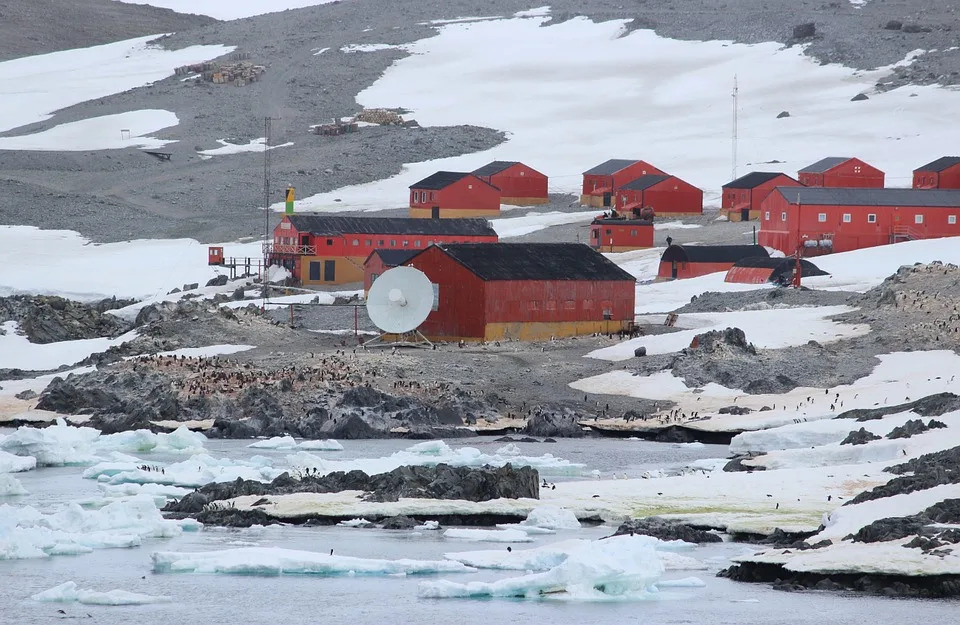
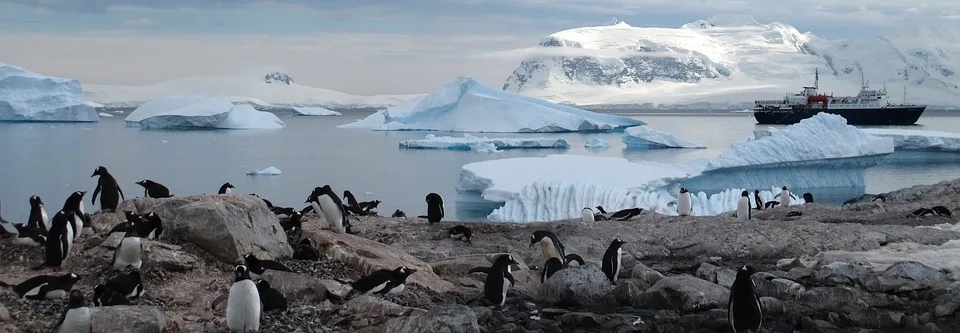
Countries with no historic territorial claim also run or support Antarctic research. Stations are seasonal or year-round bases for science and logistics, and their presence does not create sovereignty. The United States, China, Japan, Germany, Italy, South Africa, and many others have Antarctic programs. The mix of operating stations and seasonal facilities changes, so consult the relevant national Antarctic program for current station status.
FAQ: countries in Antarctica
Does any country own Antarctica?
No country has uncontested sovereignty over the continent. Seven states maintain historic claims, whose status is preserved by Article IV of the Antarctic Treaty.
How many countries claim parts of Antarctica?
Seven: Argentina, Australia, Chile, France, New Zealand, Norway, and the United Kingdom. Some claims overlap.
Can countries make new claims?
The Antarctic Treaty says no new claim or enlargement of an existing claim may be asserted while the treaty is in force.
Do research stations count as territorial claims?
No. The treaty says that activities taking place while it is in force cannot form a basis for asserting, supporting, or denying a claim to territorial sovereignty.