
Table of contents
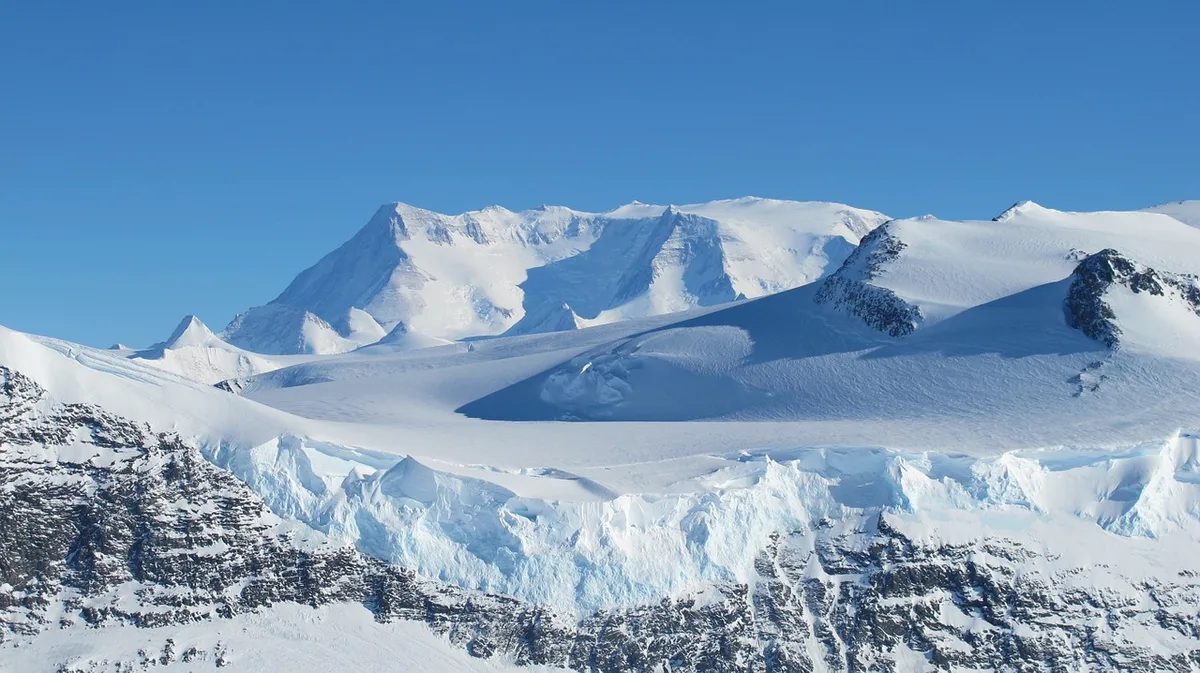
The South Pole truly is a formidable stretch of wilderness. Gigantic chunks of ice, temperatures way below freezing, winds whipping at breakneck speed, and polar nights lasting for half a year - someone or something living there really seems out of the realm of possibility. So, does anyone actually live in Antarctica? 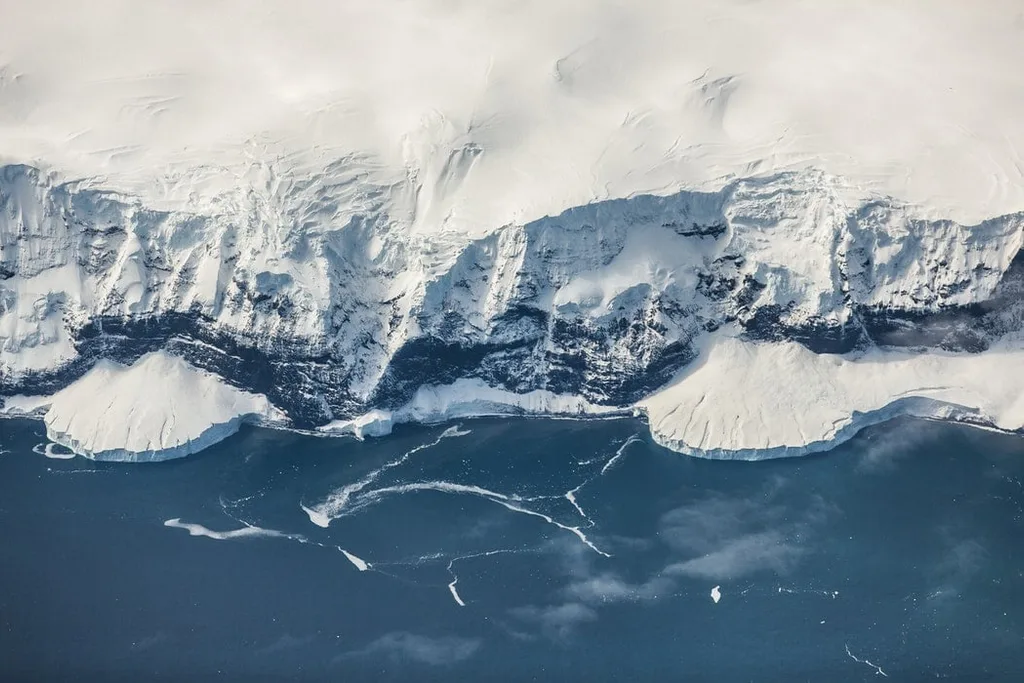
Last updated: April 2026.
Believe it or not, life does exist in Antarctica in all possible forms which is yet another fascinating fact about this unique continent.
Who Exactly Lives in Antarctica?
When it was first discovered centuries ago, it seemed almost out of this world and it has remained so ever since. Over the decades, various expeditions disembarked its shores in attempts to explore these fascinatingly vast lands. Having realized how special this continent is, numerous countries vowed to keep it intact. On December 1st, 1959 in Washington, the Antarctic Treaty was signed and it stipulated that signatories would never militarize the land and would exclusively use it for scientific purposes. Since then, Antarctica has been populated by scientists and other staff that help boost scientific research and promote wildlife conservation. When we talk about someone actually living in the South Pole, it doesn’t mean that it is their permanent home. To begin with, Antarctica is no man’s land, so to say. There is no government, there are no public airports in Antarctica, no schools, no banks, no hospitals, or anything else that makes up for regular living conditions. At least, not in the way we know them. 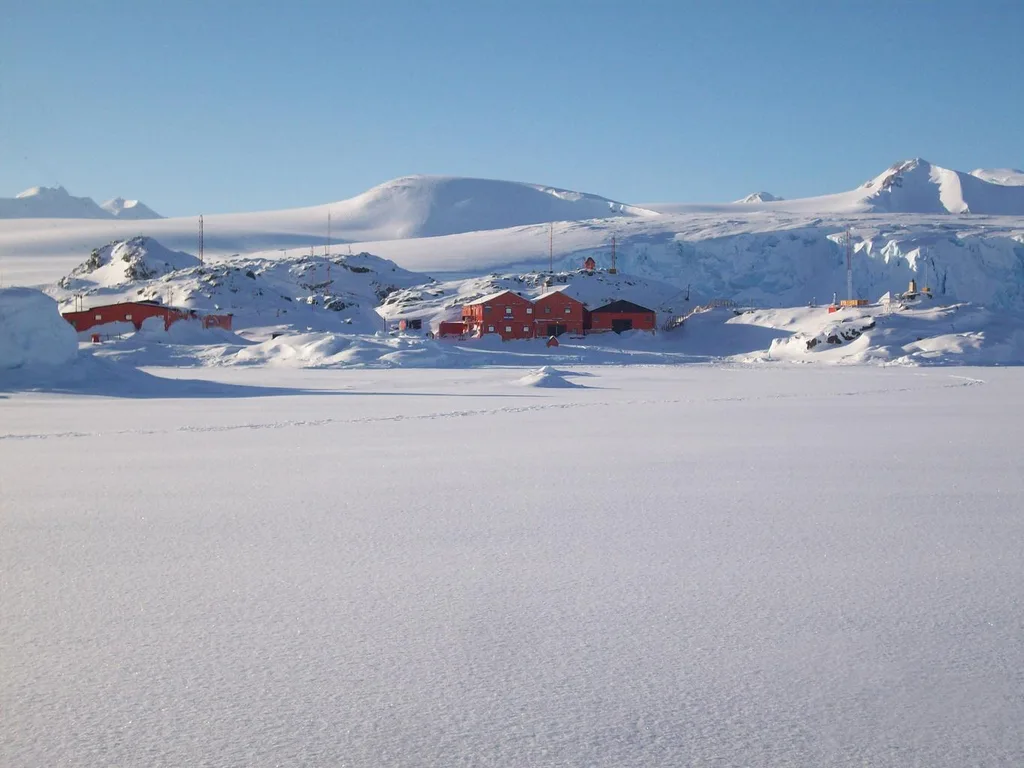
Survival in Antarctica
There are only two seasons in Antarctica and they dictate the number of people living in research camps. The majority of scientists stay in stations between November and April because this is the summer period in Antarctica. On the other hand, the Antarctic winter is cruel and merciless. It’s not easy to get around and do much in such extreme cold. During winter months, usually between April and October, survival doesn’t only depend on the clothes you’re wearing. Though people simply have to wrap up warm in layers and wear insulated footwear, winters are ferocious for a few more reasons. There is complete darkness for several months during winter and it’s easy to get lost in whiteout conditions. Avoiding unnecessary risks and not being caught out in the worst weather are also important parts of survival in Antarctica. Anyone residing there for whatever period has to be familiar with well-versed drills. 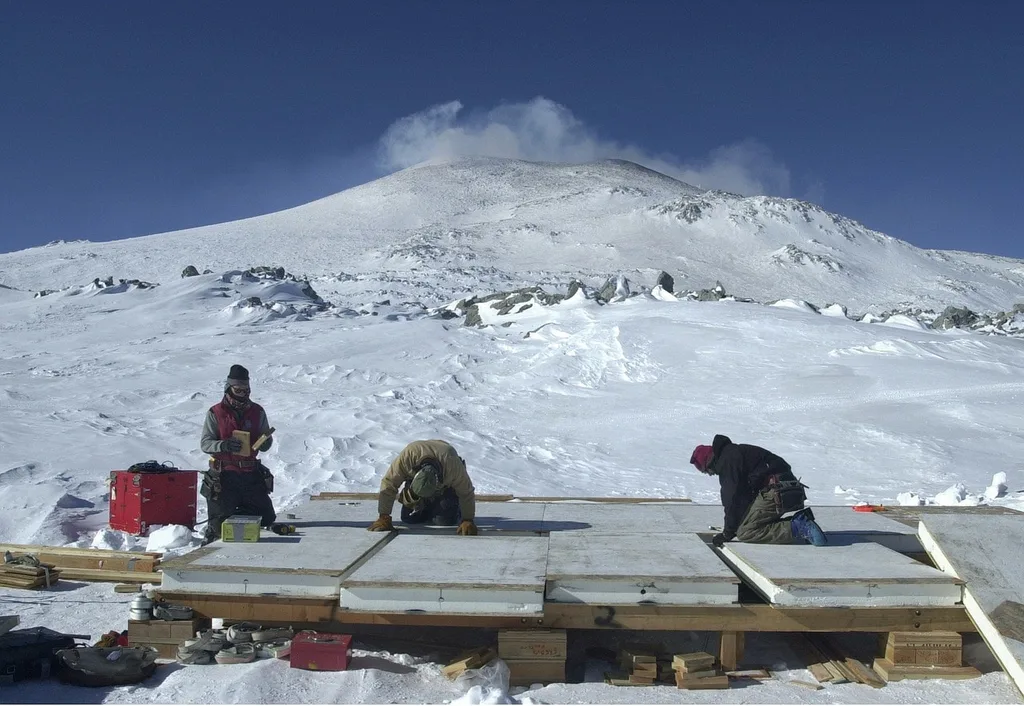
Do Animals Live in Antarctica?
Seeing as no people live in Antarctica permanently, it is only logical to wonder about other life forms and their presence in these glacial areas. Surprisingly enough, animal life in Antarctica is just as abundant as in any other part of the world. Still, these animals are pretty sizable and warm-blooded because they had to adapt to relentless and extreme cold. On top of that, they all largely depend on the sea as the only source of food. Antarctica is all about glaciers, icebergs, and ice, without any nutritious plants about. Mammals and birds that inhabit the continent feast on fish and plankton from the sea. Whales, penguins, and seals are the iconic marine wildlife visitors associate with Antarctica. Polar bears are not found in Antarctica (they live in the Arctic), and there is no established population of wild foxes on the continent. Apart from whales which obviously never leave the water, other animals dwell on the sea ice for extended periods of time. Some of them form colonies and this is especially the case with penguins. Male Emperor Penguins even take charge of the eggs by incubating them on their feet and they sit huddled on the ice throughout the dark months until females return. 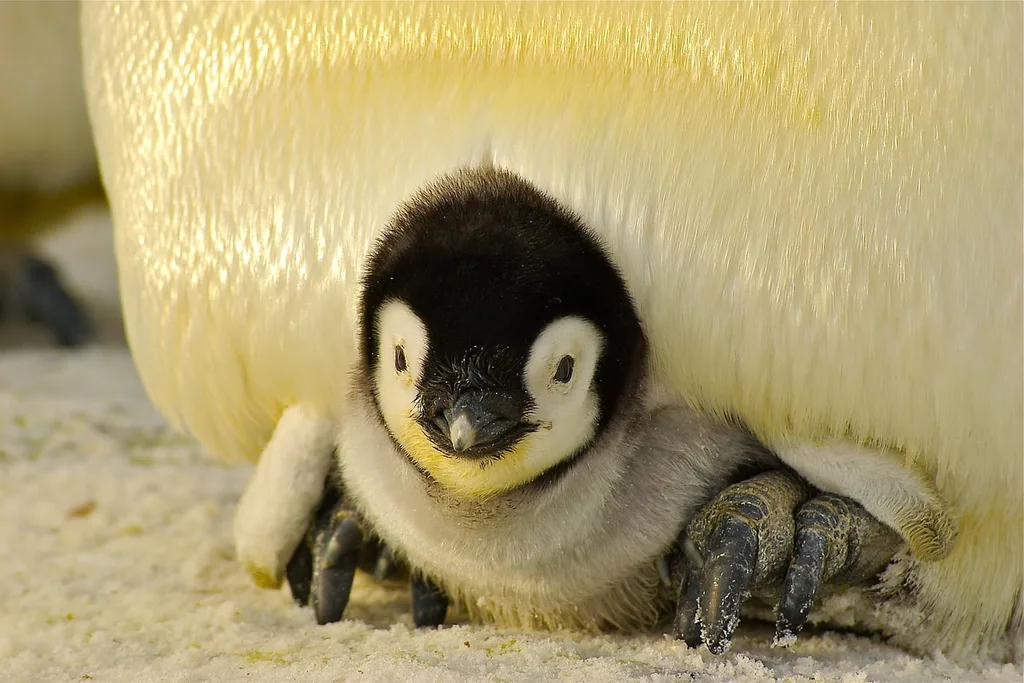
FAQ: does anyone live in Antarctica?
Does anyone live in Antarctica permanently?
No. Antarctica has no indigenous population and no permanent residents in the everyday sense. People work there on seasonal contracts for national Antarctic programs and supporting roles, then rotate home.
Who lives in Antarctica, then?
Scientists, engineers, pilots, cooks, medical staff, and other specialists—typically stationed for months at a time, with staffing levels highest during the austral summer.
Is there a government or citizenship in Antarctica?
There is no single Antarctic government. Governance comes from the Antarctic Treaty System and national programs that operate agreed stations and logistics.
Human Impacts on Antarctica
Though people don’t live in Antarctica, they still manage to affect it and it’s not always for the best. Despite scientific efforts to preserve the Earth’s last great wilderness, many of us have consciously or unconsciously made a shameful mark on this beautiful land. In order to gain economic benefit, people have taken some animal species to the verge of extinction. Oceans are being over-fished and fishing for kill impacts the Antarctic food chains in the most dramatic of ways. In the past decade, scientists have been able to detect plastic waste that has managed to find its way to these distant shores and as a consequence, many animals have died of suffocation or poisoning. Passing ships have even brought rats and mice that pose a great threat to Antarctica’s ground-nesting birds which are not experienced in defending themselves against any predators. Climate change and global warming result in the loss of ice as ice shelves collapse and glaciers retreat. Consequently, many species are forced to leave their habitats as the ice surface keeps melting away, leaving them without a place to stay. The environmental management of Antarctica is doing their best to raise awareness on these issues and make good past damage. It is our collective responsibility to reduce the current harm and prevent future impacts before we disfigure this wilderness beyond repair.