
Table of contents
North America is home to cities with very different histories, layouts, and boundaries. Comparing their populations is only useful when the figures use the same definition and year. This list uses the United Nations’ World Urbanization Prospects 2025 city-population dataset, which reports Degree of Urbanization (DEGURBA) city estimates for mid-2025. The figures below are rounded to the nearest 10,000 people.
These are UN-defined city areas, not metropolitan regions or municipal populations from national censuses. For this North America comparison, the geographic scope includes the UN M49 subregions of Northern America, Central America, and the Caribbean. The ranking follows the UN dataset’s 2025 estimates; national metro-area figures use different boundaries and should not be mixed into it. See the UN’s methodological report for how the Degree of Urbanization estimates are constructed.
Largest cities in North America by population
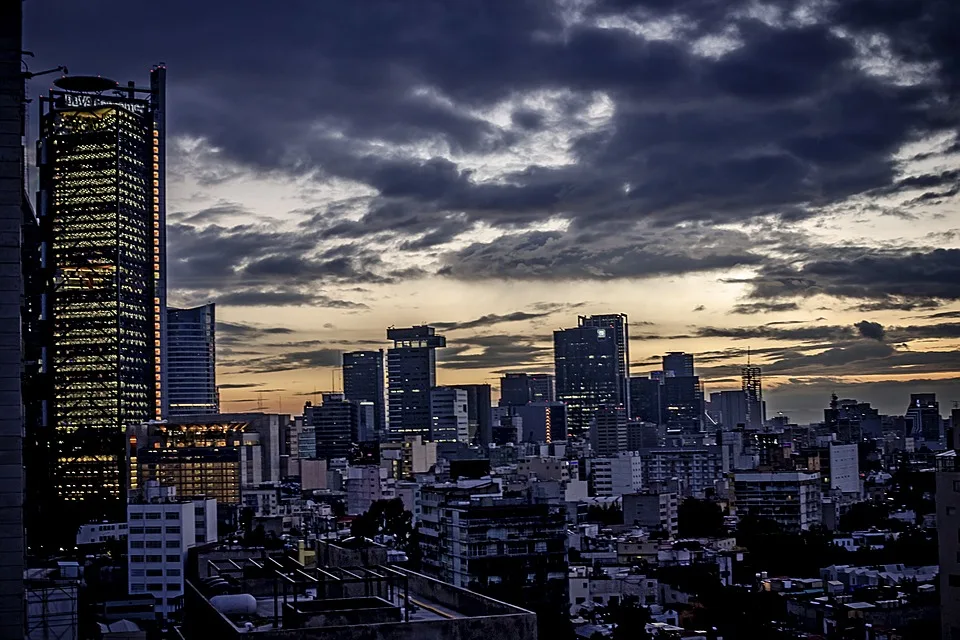
- Mexico City, Mexico — 17.73 million. Mexico’s capital is the largest city in this dataset’s North American comparison and a major cultural and historic destination.
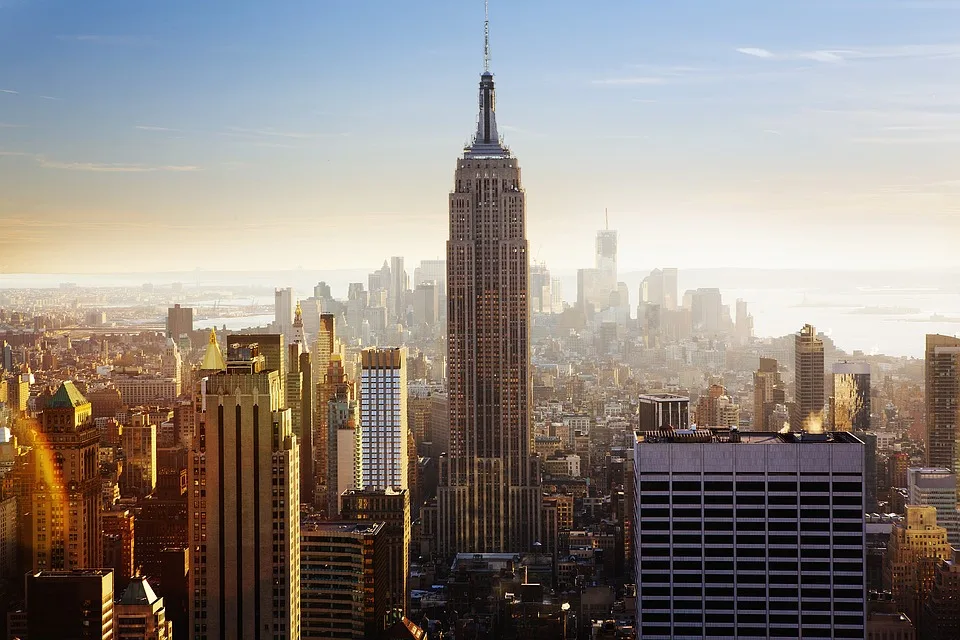
- New York City, United States — 13.92 million. The city’s landmarks and neighborhoods draw visitors from around the world. See our guide to things to do in New York.
- Los Angeles, United States — 12.74 million. Los Angeles combines a global entertainment industry with beaches, museums, and distinct neighborhoods.
- Toronto, Canada — 5.49 million. Canada’s largest city is known for its arts, food, and multicultural neighborhoods.
- Santo Domingo, Dominican Republic — 4.60 million. The Dominican capital is a major Caribbean city with a historic colonial district.
- Guadalajara, Mexico — 4.14 million. Guadalajara is a cultural center in western Mexico, known for its historic architecture and regional traditions.
- Houston, United States — 3.96 million. Houston is a large, diverse city with a strong food and arts scene.
- Monterrey, Mexico — 3.94 million. Set against the Sierra Madre Oriental, Monterrey is one of Mexico’s major industrial and cultural centers.
- Chicago, United States — 3.68 million. Chicago is known for its architecture, museums, and food. The city’s river reversal is explained in this Chicago River history feature.
- Washington, D.C., United States — 3.27 million. The U.S. capital is a federal district, not a state; its museums and monuments are among the city’s best-known attractions.
- San Francisco, United States — 3.16 million. The compact city is known for its hills, waterfront, and landmarks such as the Golden Gate Bridge.
- Miami, United States — 2.91 million. Miami is a major coastal city with strong Caribbean and Latin American influences.
Why do these figures differ from other rankings?
A city, a municipality, and a metropolitan area describe different boundaries. The UN’s DEGURBA method provides a consistent cross-country comparison, while national statistical agencies publish domestic geographies such as metro areas. Those national figures can be useful, but they are not directly comparable to this list.
The UN table covers cities of at least 50,000 people and provides estimates and projections across multiple years. These 2025 figures are estimates, rounded here for readability, and may differ from later revisions.
Last updated: October 12, 2026.
FAQ: Most populated cities in North America
What counts as a city in this ranking?
The list uses the UN World Urbanization Prospects 2025 DEGURBA city-population estimates, rather than national metro-area or municipality totals.
Is Mexico City the largest city in North America?
It is the largest in this comparison under the UN’s 2025 DEGURBA estimates and the stated geographic scope. Rankings can differ when another source uses metro areas or municipal boundaries.
Why are Washington and Washington, D.C. different?
Washington, D.C. is the federal capital district. Washington is also the name of a U.S. state; this list refers to the district.