
Table of contents
There was a time when traveling to Turkey was as inexpensive as you can possibly imagine. The country’s tourism was faced with an enormous boom, allowing for more westerners than ever to explore this beautiful land between the continents. So, quite naturally, travelers hoping to get a taste of Turkey are often faced with nostalgic answers of those who’ve been there in the early 2000s. But, how much of that information is still relevant today? Travelers who experienced Turkey at the turn of the millennium can attest to some ridiculously low prices, so low in fact that they expressed costs in cents and pence rather than in dollars and pounds. However, what this does is create an unrealistic picture of what this great country is today and what to expect in terms of prices. So, is Turkey cheap?
Best Time to Travel to Turkey
Obviously, the price of your journey through Turkey will largely depend on when and where you’re going. The high and low seasons vary from destination to destination. Along the illustrious Turkish Riviera, you can expect much higher prices during the months of July and August, while “shoulder” months of May, June, September, and October are much better options in terms of prices. 
Local Currency
The Turkish Lira (TRY) is the currency used in Turkey. The symbol is ₺, and the latest series of bills used are called “E-9” and were introduced in 2009. You should not accept bills from the 2005-2008 series as you won’t be able to use them. One Turkish Lira equals one hundred kurus (pronounced kooroosh). Check out the latest dollar to lira value here: https://www.xe.com/currencyconverter/convert/?Amount=1&From=USD&To=TRY
Flying to Turkey
You won’t have any trouble finding a flight to Turkey from the USA. With so many airports all over your destination, you’re bound to find some that match your travel date and price criteria. Naturally, to find the best prices you should use websites such as Kiwi or Skyscanner to get what you need. Additionally, you can use SecretFlying, the handiest of tools when it comes to flying to Turkey. As far as the prices are concerned, it pretty much depends on when you’re traveling and how far ahead you’re booking. Also, it’s possible for travelers based in the US or Canada to get direct flights to Turkey, which can also make the price go up a bit. 
- Boston to Antalya for $406
- Boston to Istanbul for $420
- New York to Antalya for $436
- Toronto to Antalya for $460
- New York to Istanbul for $466
- Toronto to Istanbul for $594
All of the prices listed here are that of roundtrips for one person! We’d say that these prices are the average prices you’d get for traveling this distance, so neither cheap nor expensive!
Spending the Night in Turkey
The range of accommodations available in Turkey is just as extensive and varied as in any other frequently traveled destination in the world. From lowly Couchsurfing to five-star luxury hotels, Turkey has got it all. In fact, the former is rather popular since the Turkish have a reputation of being exceedingly hospitable and helpful hosts, so if you’re in for some culture exchange, this could be the way to go. Read more: European Cities with Great Beaches So, we’ve established that Turkey has at least as many kinds of bedding as any other country. But, how do the prices measure up? You can rent a dorm bed for as little as $12 a night! That’s an amazing deal for backpackers and people traveling alone, or anyone else who’d like to get a really good deal on accommodation. 
Food and Drink
Food is not only delicious but also exceptionally cheap in Turkey! As we’ve stated before, you could overexaggerate if you wanted and find the most expensive restaurant possible. But, without much trying to save up, you’ll still be able to keep your food expenses fairly low. We’d say that most people get to spend from $10 to $20 on food per day. This price includes eating out at regularly priced restaurants, but those wishing to save even more cash by enjoying hostel kitchens or by actually preparing food of their own can spend as little as $5 (₺30) on food per person per day. For example, if you’d like to try some awesome homemade doner it will cost you just ₺10. 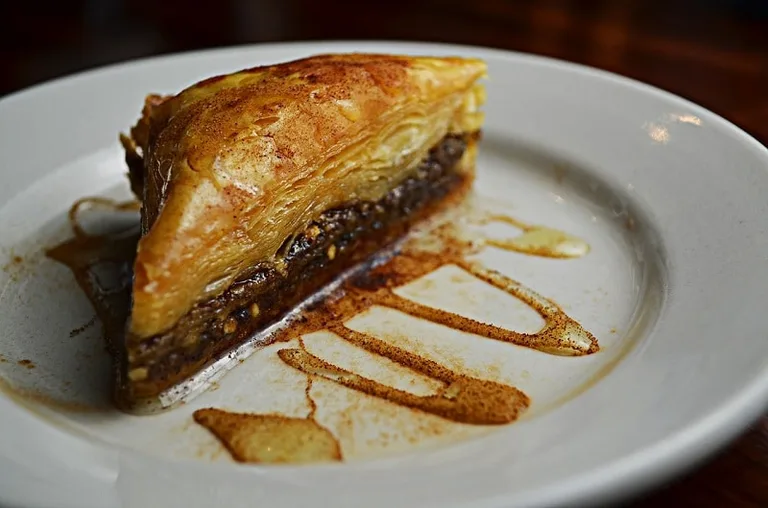
- 0.5l of draught beer: ₺15
- A 1.5l bottle of water: ₺2
- A medium pizza for dinner: ₺15
- Local dish in a fancy restaurant: ₺25
- Litre of milk: ₺4
- A loaf of bread: ₺2
- A bottle of house wine in a restaurant: ₺40
When it comes to eating and drinking, Turkey is extremely cheap. However, it can’t hurt to check the prices of alcohol twice before ordering as they often get taxed heavily, as well as tobacco.
Transportation
Buses and metros of larger cities are incredibly cheap. While most of the places are best explored on foot, deciding to take the bus instead will rarely cost you more than ₺2. Taxis are naturally way more expensive than buses, so don’t really ride them unless you have to.
Recommended Budget
How much money do you really need? With at least $40 (about ₺240) to spend per day, you’ll be able to enjoy all the comfort and amazing food, while experiencing the amazing cultural heritage of Turkey.
Conclusion
As is the case with most other destinations as well, the most expensive part about Turkey is getting there. However, when you finally reach your destination, you’ll be able to enjoy really cheap prices, especially when it comes to eating and drinking. Getting from one place to another is also exceptionally cheap while finding a place to sleep might be a bit more expensive depending on where you are. Overall, we’d say that Turkey really is cheap, at least for now, and that if you have any doubts about visiting, you should cast them aside and come to this great country.
Last updated: April 2026. Exchange rates, inflation, and entry rules change—treat any “daily budget” figures as directional and confirm current prices in TRY at the time you book.
FAQ: Turkey trip costs
Is Turkey cheap for tourists?
It can be very affordable compared with Western Europe for food and local transport, but total cost depends on flights, hotel tier, and activities.
What usually surprises budgets?
Intercity flights, private transfers, museum passes, and peak-season hotels—track the “big three” expenses separately.
Cards vs cash?
Carry some cash for small vendors and tipping norms—confirm whether your card charges foreign transaction fees.
How should I estimate daily spend?
Build a simple model: lodging + meals + local transport + one paid activity buffer—then add 10–20% for variability.