
Table of contents
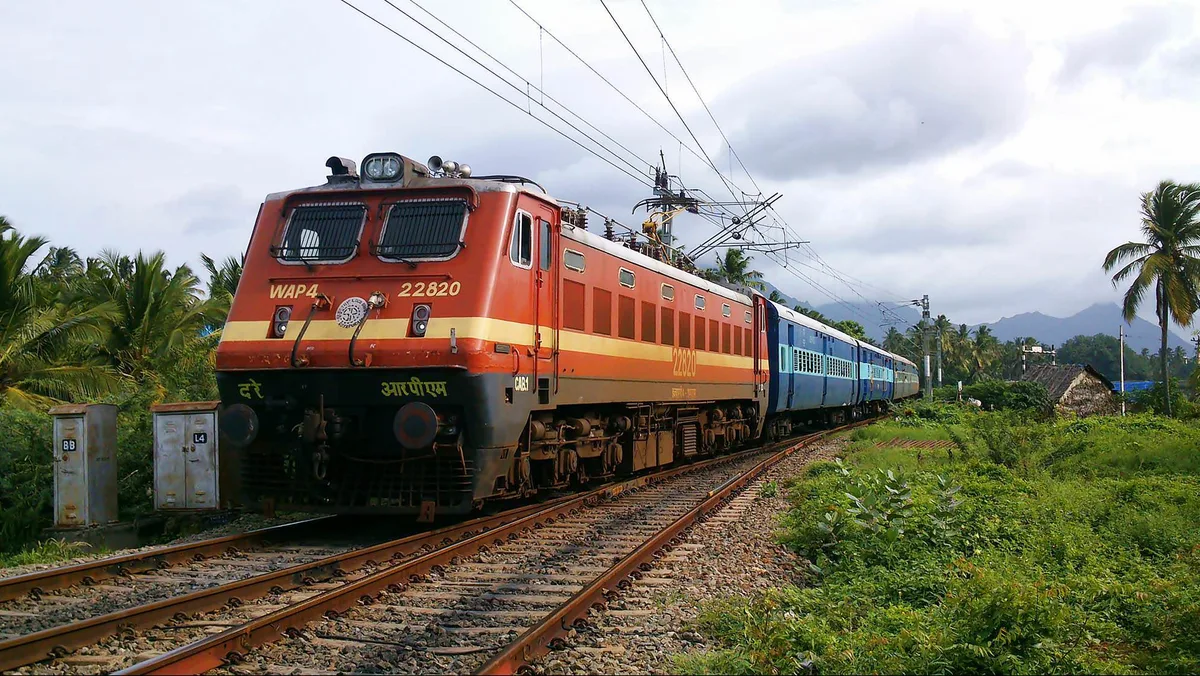
Figuring out a new train system in India can be really daunting, and many of my non-Indian friends find the seat symbols in Indian trains especially difficult to decode. They have no idea what SL, 1A, 2A, 3 A, 2 s, CC seat in train mean. To tell the truth, even locals aren’t that sure of the distinctions. What many of us do is reserve the ticket, get on the train and simply travel, but here’s a little bit of an explanation about classes and seats in case you’re planning to take a train in India.
Indian Train Booking and Seating symbols
SL - Sleeper Class
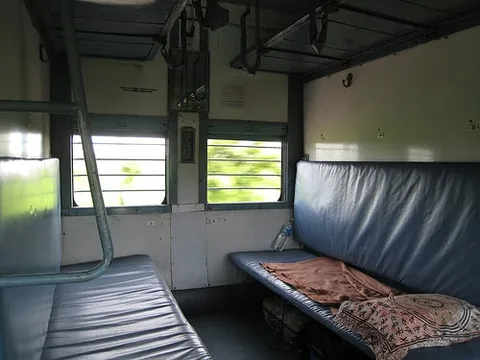
First is the sleeper class! This is the most typical type in an Indian train. Nearly every person goes to this class. These are normal sleeping classes, which have three berths vertically piled. It operates on broad gauge and holds 72. Read more: Must Have Travel Packing List for a Family trip The Indian Railway can connect about 10 coaches.
1A – The First class AC of Indian Trains:
OLYMPUS DIGITAL CAMERA This is the most costly and high-end type of Indian Railway. The prices are nearly equivalent to airways and that’s the reason why it’s the most unconventional class. Folks who are able to afford this class can pay for a plane ticket too, which will, of course, get you to your destination much faster. A bed is incorporated with the ticket in IR. This air-conditioned train exists only on well-known tracks around downtown, cities and can transport 18 passengers. The train coaches are carpeted, have sleeping lodging and privacy options, such as the private coupes.
2A - AC Two Tier:
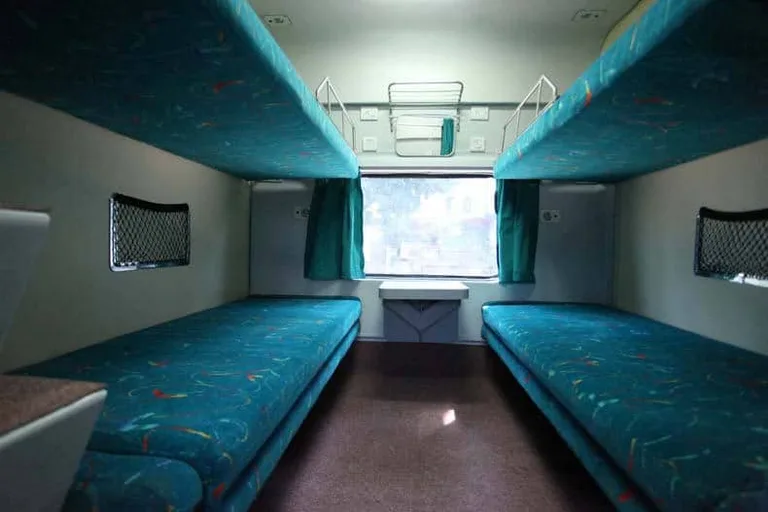
3A - AC three tier:
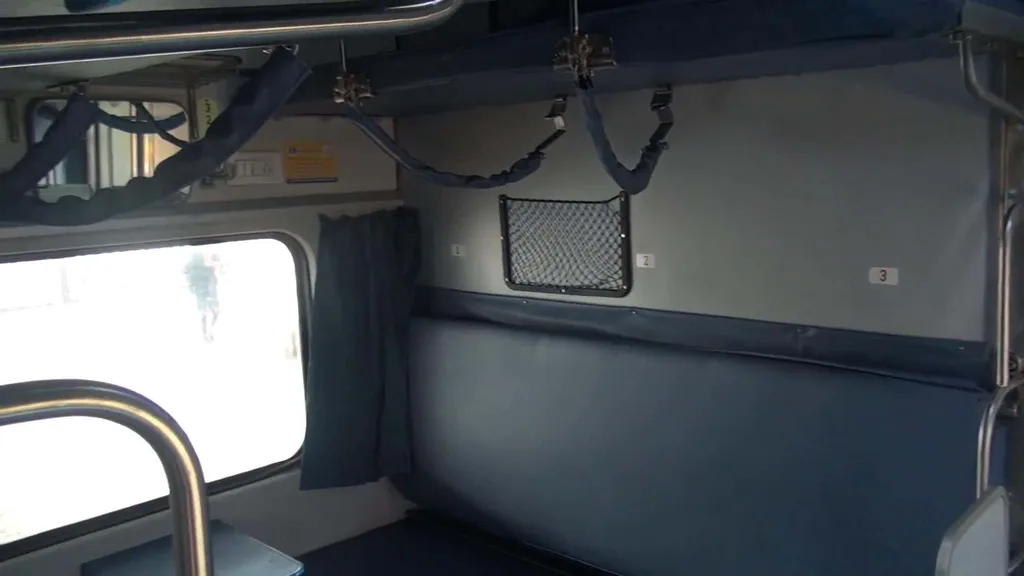
2S - Seater Class:
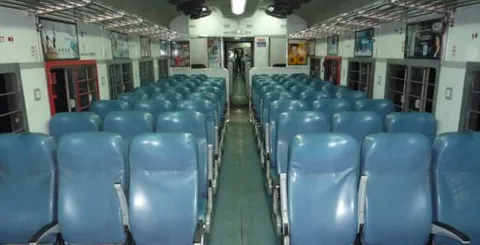
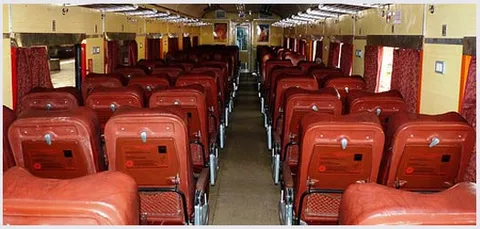
CC - AC Chair Car:
WL (GNWL):
This is short for General Waiting List, which means your ticket is on-hold. You will receive a number, for instance WL10. When folks call off their ticket, the amount decreases. This means that whenever 10 individuals call off their tickets, your ticket will probably be either RAC or directly Confirmed. Usually, the procedure looks like this: WL-------> RAC------->CONFIRM
RAC:
If you happen to get a hold of your PNR Status as “RAC,” then this means that you’ve been given a side lower seat, even with chart preparation, but you’ll receive the berth number right after chart preparation. One thing that you must keep in mind is that you’ll be required to share your seat with someone else. In this case, you won’t get to sleep. 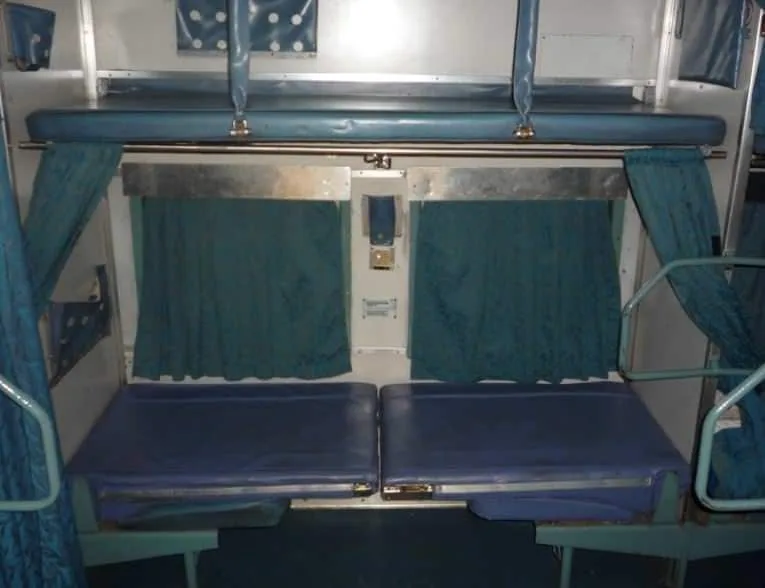
Types of Waiting List in Indian Trains
The overall seat number of seating readily available for booking in Indian trains are split within various segments. For instance, there are General, Tatkal, Ladies segments, and so forth. Read more: Places Near Bangalore Within 50 kilometres Likewise, there is a grouped quota as well. The grouped quota is usually a term for a couple of stations that share a pool of train tickets. These are somewhat small and minor stations, at least as long as that specific train is involved. For example, should you reserve a ticket from Bangalore (SBC) to Rajahmundry (RJY) on the Guwahati Express (2509), you would then receive tickets allocated from the Pooled Quota.
PQWL:
This is short for Pooled Quota Waiting List. If your ticket is reserved in Pooled Quota, which you are not aware of during the time of reserving, and all of the seats have already been reserved (in the pooled quota), you will get a ticket status of PQWL 20 (for instance). Usually, the likelihood of PQWL being affirmed tends to be very low.
CKWL:
This is short for Tatkal Quota Waiting List. Should you reserve the ticket in Tatkal Quota, and are unfortunate enough to obtain a guaranteed ticket (this happens to a lot of us, as the tickets get sold out REALLY quickly!), your waiting list will be CKWL. The likelihood of having this approved is very low. The final state is identified only after the chart preparation. Please note: should your ticket status, despite chart preparation, be any kind of WL, then you’re regarded as ‘ticketless’. For those who have reserved it on the web, then following chart preparation, it will get terminated automatically and your money will be returned to your bank account. However, we’re talking about India here! So, folks can still travel with their waitlisted tickets because they bribe the TTE/TC. They’re not often provided seats (there isn’t one, so, just how is he or she going to get seated?) and these individuals basically sleep on the surface, using newspaper as their bedding.
Last updated: April 2026. Indian Railways rules, quotas, and digital ticketing evolve—use official IRCTC/operator channels and follow lawful travel requirements. Do not rely on bribery or rule-breaking: it’s unsafe, can carry serious penalties, and is not a substitute for a confirmed ticket.
FAQ: Indian train booking & seats
What does WL/RAC mean?
Waitlist and Reservation Against Cancellation statuses indicate you don’t yet have a confirmed seat/berth—monitor charting results and official app notifications.
How do I maximize chances of confirmation?
Book as early as rules allow, consider alternate trains/tickets/classes, and understand quotas (Foreign Tourist Quota where applicable).
Can I travel without a confirmed seat?
Follow railway rules for your ticket class and route—if unsure, ask official station staff or IRCTC support, not informal “workarounds.”
What should international travelers know?
Passport details must match your booking, and some routes sell out—build slack days around must-make connections.