
Table of contents
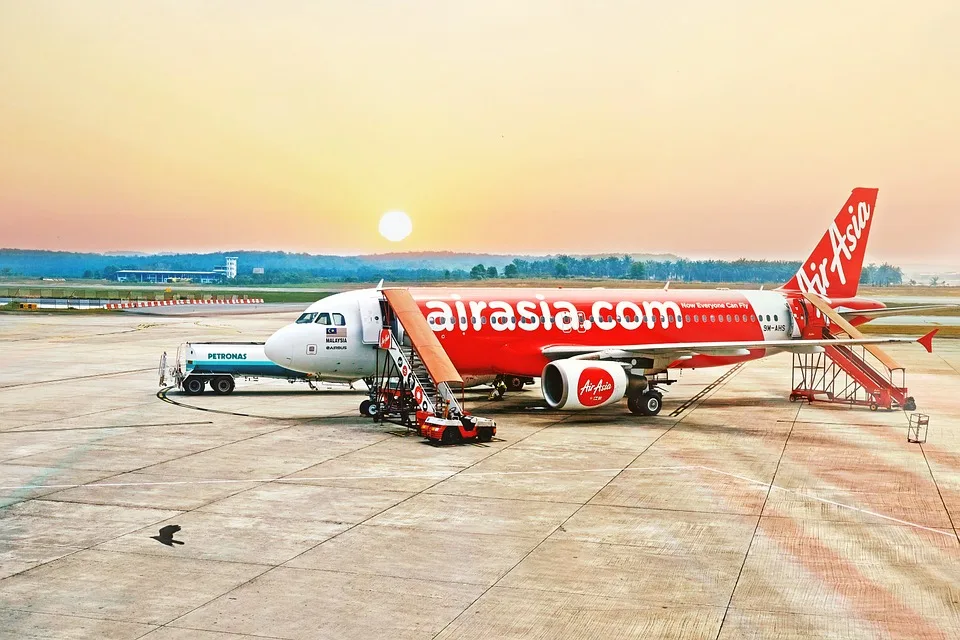
The world can finally be your oyster - all you really need is a respectable air carrier that you can count on to assist you in covering great distances with as little hassle and as much safety as possible. Unfortunate series of events led to Air Asia taking a major hit to their respectability and the trust that they’ve been working really hard to earn. Concerns were often raised over frequent engine failures and human errors that led to multiple returns to the airport, slidings past the airstrips and near-collisions. Is it safe to travel via Air Asia? This is a question that has been raised quite often in the past decade, commonly fuelled by one mistake after another, never letting the case rest. 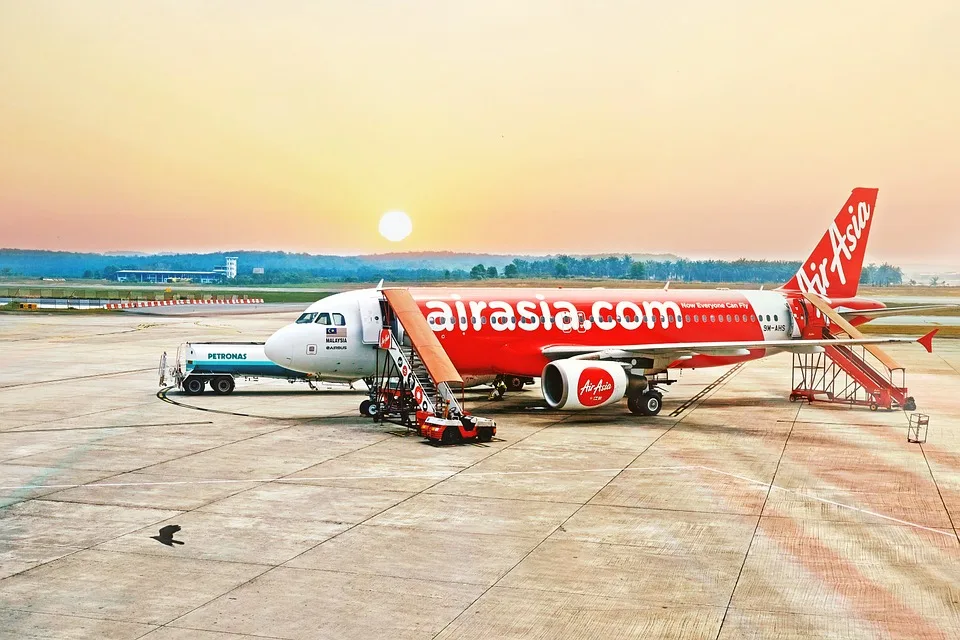
Is Air Asia Safe?
There are a couple of things to be moved out of the way before proceeding with a conversation about safety and quality of Air Asia. Read more: Mumbai Honeymoon Packages More than a single misconception bar people from having an objective conversation about the reliability of Air Asia and its massive fleet of 251 planes, including those belonging to affiliate companies. This last bit is exactly where all the fuss is coming from.
History of Air Asia
Originally a Malaysian air company, Air Asia expanded its operations by adding subsidiaries to its mighty aircraft fleet. Based in Kuala Lumpur, it is the single largest air company in the country, operating from Kuala Lumpur International Airport as its main hub. Over the years, several other airlines were integrated into Air Asia, namely AirAsia India, Indonesia AirAsia, Phillippines AirAsia and Thai AirAsia, with their own hubs where they operate from. Besides these companies, its sister, AirAsia X is the one solely focused on long-haul flights. Oftentimes when people look at the history of the company, they tend to merge these individual parts into one great whole, which is not accurate. The reason for this faultiness is that Air Asia doesn’t make all the decisions for each one of these companies. 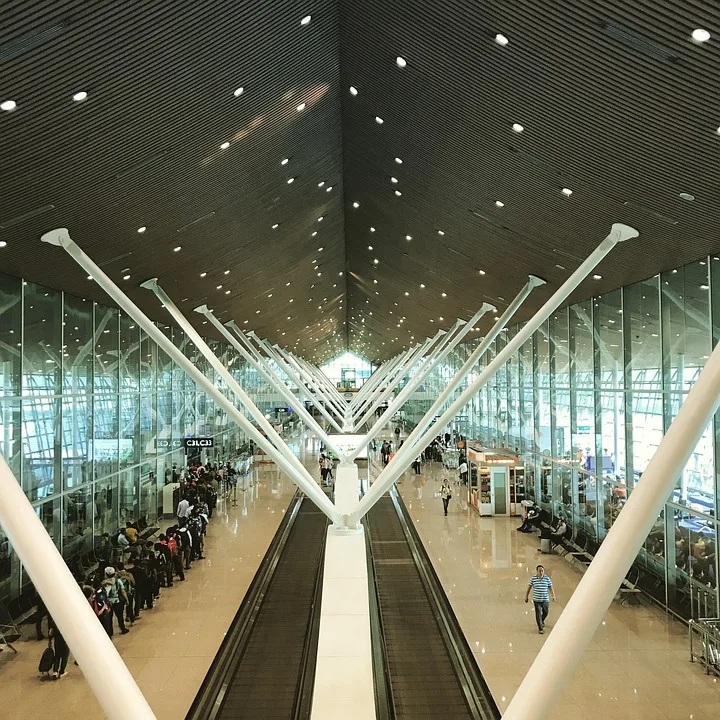
Air Asia Crash Record
In the entire history of AirAsia, there has been only a single instance of unspeakable tragedy. Unfortunately, a lot of people lost their lives in a failure that will propel the company and its subsidiaries to rethink a lot of company policies in the future.
Flight QZ8501
For a long time, the awful tragedy of Flight QZ8501 has floated above the entirety of the company, reminding everyone of 162 people that died on that horrid day. The aeroplane crashed into the Java Sea on December 28 2014, a nightmare that came as a result of both human mistake and faulty rudder travel limiter. It’s a day that will haunt many lives and families for an untold amount of time. A long investigation has shed more light on this tragedy after almost an entire year of learning more about what has happened. December 1 in 2015 was the day when a company finally released more information after it had gotten a better look into what had happened. Two of the plane’s rudder travel limiter units ceased to operate, sending four warnings to the plane’s electronic centralised aircraft monitor. After the fourth warning, the pilot decided that he was going to reset the circuit breaker on the system, taking out most of the flight control systems. Two major issues have contributed to the fall of the plane, the first one being a faulty electronic system that wasn’t meticulously examined even though the rudder failed 23 times in the past year. It would just be reset each time it happened, without any consideration for the underlying problem. The second of the two major issues was the pilot resetting the circuit breaker that mustn’t be reset during flight, causing most of their controls to give out. The combination of these two ghastly errors culminated in aerodynamic stalling, causing the plane to start losing altitude. To make matters worse, there was an apparent miscommunication among the pilot and his co-pilot, resulting in their final, separate save attempts cancelling each other out and the plane crashing. You can read here the Aircraft Accident Investigation Final Report. 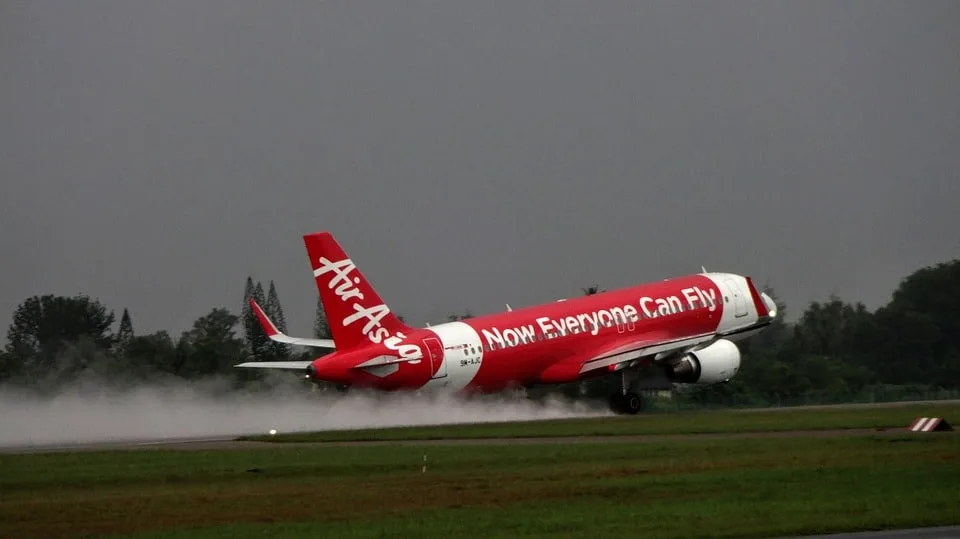
Runway Overruns
Of all the possible accidents that can take place on an active runway, runway overruns happen most often and with most devastating results. There are plenty of reasons why overruns, or ‘runway excursions’ as they’re otherwise known, happen. During taking off or landing, there are several factors that increase the odds of an overrun taking place and it can end badly. In numerous occasions throughout the history of aeroplanes, aircraft would veer off of the runway and collide with objects or other aircraft, resulting in deaths of many passengers. In its long history, Air Asia had two occurrences of runway overruns, one in 2004, which also happened to be the first mishap in the company’s records, and another in 2011. Officially, both accidents occurred under weather conditions such as heavy raining or nightfall. Also, both of these events underlined the importance of improved weather condition tracking and better pilot training to deal with these special circumstances. Luckily for all parties involved, there were no deaths and only one young passenger sprained her wrist (while being rescued of all things). 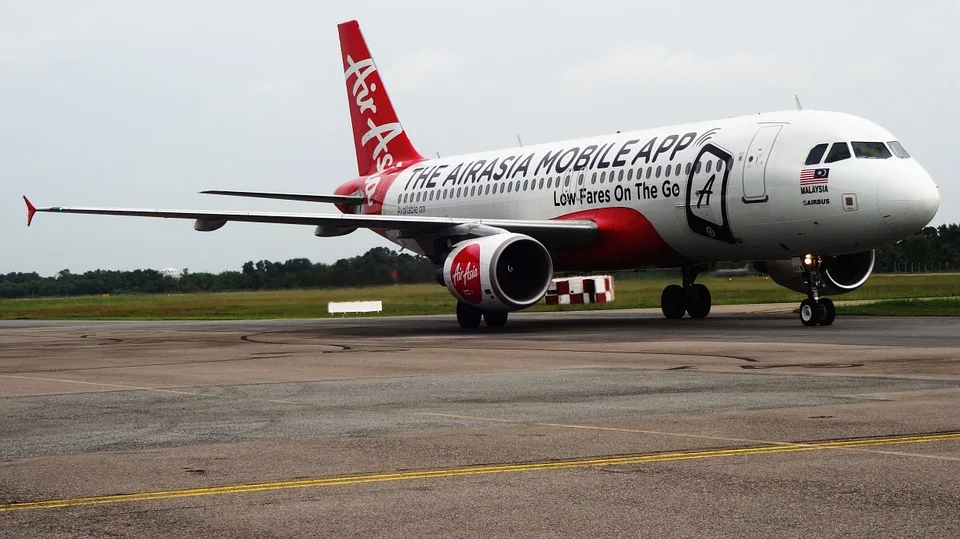
Engine Failures
More recently, engine failures and emergency landings have dragged the reputation of Air Asia through the mud even more than the tragedy of flight QZ8501. You could say that 2017 was a difficult year for the company, having their engines blown three times in one year! The first engine snag was caused by an explosion in the left turbine, prompting the pilots to perform an emergency landing in Perth, Australia. The other two engine failures were blamed on the birds no less. While it’s highly likely to have a bird collision happening on lower altitudes, it would still require quite a large avian creature to be able to damage the turbine blades. It begs the question of what it was that Air Asia planes hit that caused major damage to the turbines and subsequently engines. Read more: South Africa is a Popular Destination All in all, Air Asia’s crash record is not as extensive as some of the others, but there were enough accidents to propel the Malaysian company into increasing its standards tenfold. They will have to be increased further and continuously, lest the company find itself another shameful entry in the history of accidents.
Air Asia Safety Record
Following the tragedy, Air Asia earned dismal ratings from neutral observers in countries which they were servicing, sparking the need for a change. Obviously, improvements were needed in all areas across the entirety of Air Asia Group, especially Indonesia AirAsia. In order for them to attain objectively provided accreditation, they decided to go with an international system of evaluation. Before we start tossing around acronyms such as IOSA and IATA, we’ll go ahead and explain only briefly what they are and what sort of value, or jurisdiction, their interference provides to flying commercially. International Air Transport Association or IATA is an upholder of standards and policies in the air travel industry, headquartered in Canada. They’re the ones conducting IATA Operational Safety Audit (IOSA), checking air carriers and inspecting their operations across eight broad categories. These operations include ground handling operations, cargo operations, aircraft engineering and maintenance, operational control and flight dispatch, security management, organization and management system, cabin operations and flight operations. With 1066 parameters to check overall, IOSA goes in-depth with their analysis of each air company’s ability to conduct their business successfully and safely for all people involved. This audit is only alive for two years, after which period they recheck all of the parameters again in order to extend it. All IATA members have to undergo the audit which quadruples their safety ratings in comparison to those few companies that still refuse to partake in the organisation. 
- AirAsia India: 4/7
- AirAsia Indonesia: 6/7
- AirAsia Malaysia: 7/7
- AirAsia Philippines: 7/7
- AirAsia Thailand: 2/7
AirAsia Malaysia has finally earned the rightfully deserved seven stars. Only two companies in the family are still not rated very good, but they’re getting there. Thai AirAsia received their IOSA certification, and they’re slowly going to start improving in the following years. Not only that, but the fleet of AirAsia lines is slowly expanding to welcome some of the highest-quality planes on the market. What all of this information means is that Air Asia has pushed through and became a pioneer in safety, with the best price-value ration of all low-cost carriers. The future of the company and its passengers is certainly very bright. 
Are Air Asia Flights Safe?
To put it quite simply and clearly - yes they are safe. Air Asia is obviously a company that has invested heavily in making sure that mistakes from the past don’t happen to them or their passengers ever again. What they’ve lacked in the past and what was initially the source of all the grief they’ve received has been mended. One of the most influential moments on their path to improvement has been their acceptance of becoming an IATA member and partaking in their global safety management system. Its fairly recent appearance on the Forbes list of the best airlines as one of the best low-cost carriers has also done wonders for its image and future in air transport. It’s quite understandable that there are still people who aren’t going to look kindly on Air Asia and avoid their company. But this time, Air Asia will be able to prove their worth with top-notch quality among the low-costers and disprove unsubstantiated claims against them. Today, they can hold their own against some of the safest airlines in the industry. Traveling by AirAsia is safe and will enable you to move around their designated corner of the world cheaply, leaving plenty of money to be spent on whatever you like. Hopefully, after reading this airline review you won’t have any doubt in your mind about the company’s quality and commitment to improving on some of the mistakes of the past. Now, they’re taking travellers to 165 destinations in 25 countries, which is a serious increase in traffic and a great boost to their reputation. The following years are most likely going to bring nothing but success to the company and its loyal passengers.
Last updated: April 2026. Airline networks, ownership, and safety oversight evolve—verify fleet, routes, and policies on AirAsia’s official channels and your local regulator’s guidance before you book.
FAQ: Flying AirAsia
Is AirAsia considered a legitimate airline?
Yes—AirAsia is a major low-cost carrier group operating across multiple countries; like any airline, service standards vary by route, aircraft, and fare type.
How can I check an airline’s safety oversight?
Look for IOSA registration (where applicable), your departure country’s aviation authority advisories, and recent official safety communications—not rumors on social media.
Does low cost mean less safe?
Not necessarily—budget airlines often use the same aircraft types and maintenance regimes as full-service carriers, but always compare total cost (bags, seats, changes) and read the contract of carriage.
What should I do if I’m nervous after reading old news?
Focus on up-to-date sources: official investigation summaries, regulator statements, and the airline’s published safety and training updates.