
Table of contents
Before you start packing your suitcases and embark on your journey to the land of Don Quixote, flamenco, and football, you certainly have to assess your budget. That’s the reason why we’re here - to debunk the myths and get to the bottom of the question of whether Spain is cheap or not. Seeing as we all come from different financial backgrounds, it’s only logical not to assume a generalized standpoint. After all, what’s cheap for someone may be a fortune for someone else or vice versa. For this reason, we’ll delve into all aspects of a trip to Spain that tourists need the most: getting around, sleeping, and eating. Let’s begin.
Is Spain Cheap?

Accommodation in Spain: Is it cheap?
Staying in big cities such as Madrid and Barcelona can be pricey. But believe it or not, the most expensive city in Spain is San Sebastian. 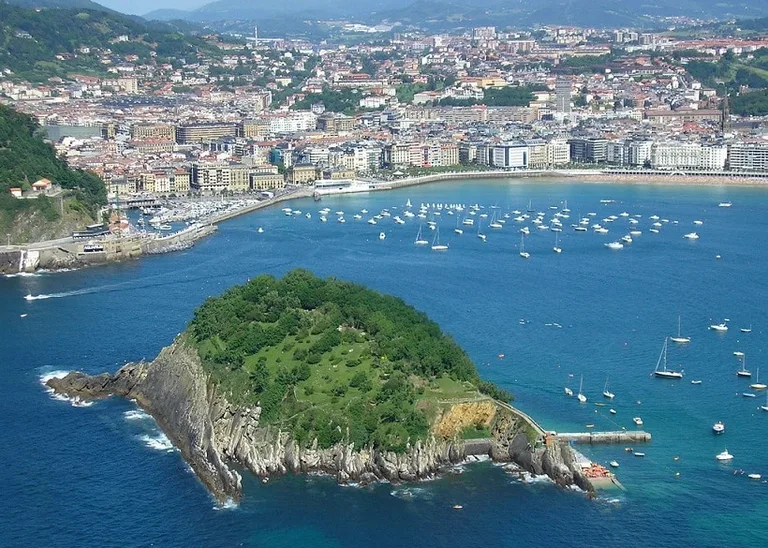
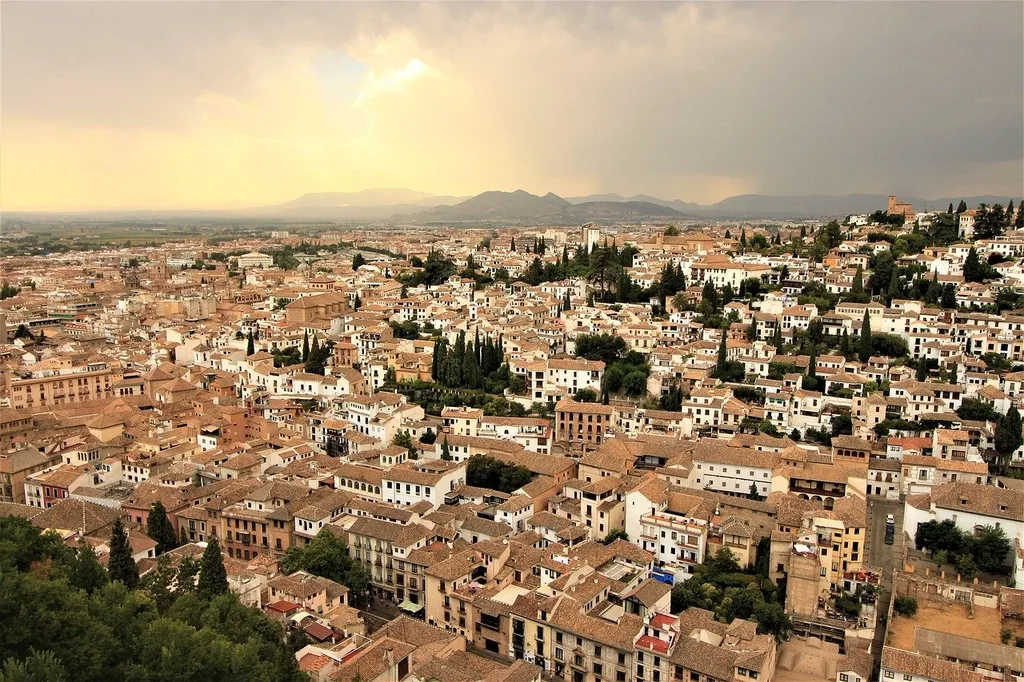
Tips for stretching the dollar on accommodation in Spain
- Make an early booking.
- Avoid peak season (July and August).
- Stay in less crowded (and expensive) towns but close enough to visit the famous sights. For example, the city of Cordoba is only 1h 20min from Seville and 1h 30min from Malaga. On a similar note, the city of Toledo is only an hour from Madrid and Tarragona is just over an hour from Barcelona.
Read more: The Most Unusual Places in Spain
Dining in Spain: Is it cheap?
Food is one of the trademarks of Spain. Paella, tortillas, and churros will make you fall in love with Spanish cuisine from the first bite. So, how much money do you need to spend on food in Spain? 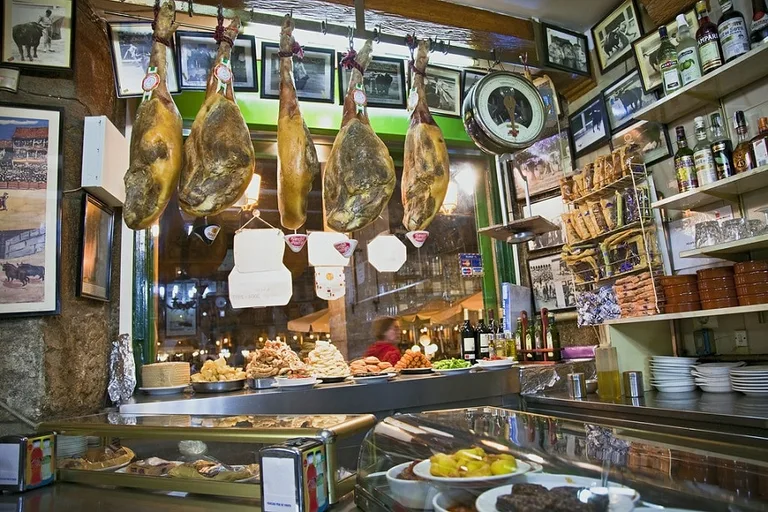

Tips for stretching the dollar on food in Spain
- Don’t fall for tourist-trap restaurants. Instead, listen closely and gauge where the locals eat.
- Shop at supermarkets. Food and drinks are ridiculously cheap.
- Order a drink before you order tapas. You might get them for free!
- Avoid places near famous landmarks. The food is usually mediocre and overpriced.
Transportation in Spain: Is it cheap?
No matter where you’re staying in Spain, you’ll probably want to move and see as much as possible. Long-distance buses are much cheaper than trains. The cost is almost 2 times less but it can be time-consuming. Many different companies operate within the Spanish bus network so you should make sure to check all of them before booking your ticket. For example, Madrid-Barcelona return tickets stay around $55 for a bus while the train tickets usually cost around $100 and more for the same route. All major cities in Spain have a metro system. Metro is the fastest and most reliable way of getting around. 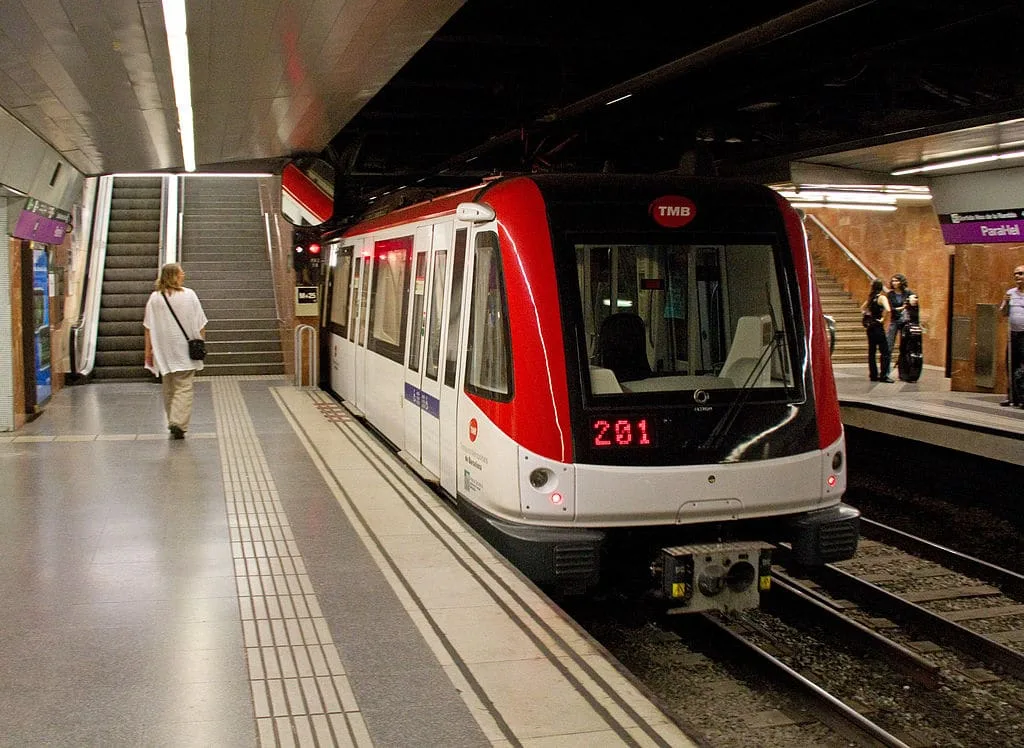
Tips for stretching the dollar on transportation in Spain
- Buy the tourist pass.
- Study all operators before booking long-distance buses.
- If you’re planning to explore the countryside, it’s best to rent a free-cancelation car.
- When booking train tickets, book them well in advance for discounts.
- Don’t buy tickets from third-party vendors.
Read more: Top Romantic Resorts in Spain
The Daily Costs by Cities
Here are the average daily costs for some of the most popular Spanish cities: In Madrid - $107 In Barcelona - $127 In Seville - $109 In Tenerife - $114 In Valencia - $85 In Granada - $67 In Malaga - $81 In Cordoba - $50 All things considered, Spain is not exorbitant but it can strain your budget if you don’t prepare the adventure in advance. Think wisely and make the most out of what this beautiful county is offering.