
Table of contents
For most people, the southernmost (and coldest) continent still poses somewhat of a mystery that needs proper sorting out. Many questions have accumulated over the years and they’ve never been addressed properly, or at least not satisfactorily for an average, non-scientific population of the world. The most ubiquitous of them all is if there are cities in Antarctica. While the unequivocal answer is no, there are in fact towns in Antarctica, albeit a laughably small number of them.
Last updated: April 2026.
What’s the capital of Antarctica?
This is yet another question that we base on our observations of the world around us, but it does not apply well to Antarctica. Officially claimed by seven sovereign countries, this icy continent has no ruler or flag, and it definitely hasn’t got a capital city. It is, in its own right a no man’s land. 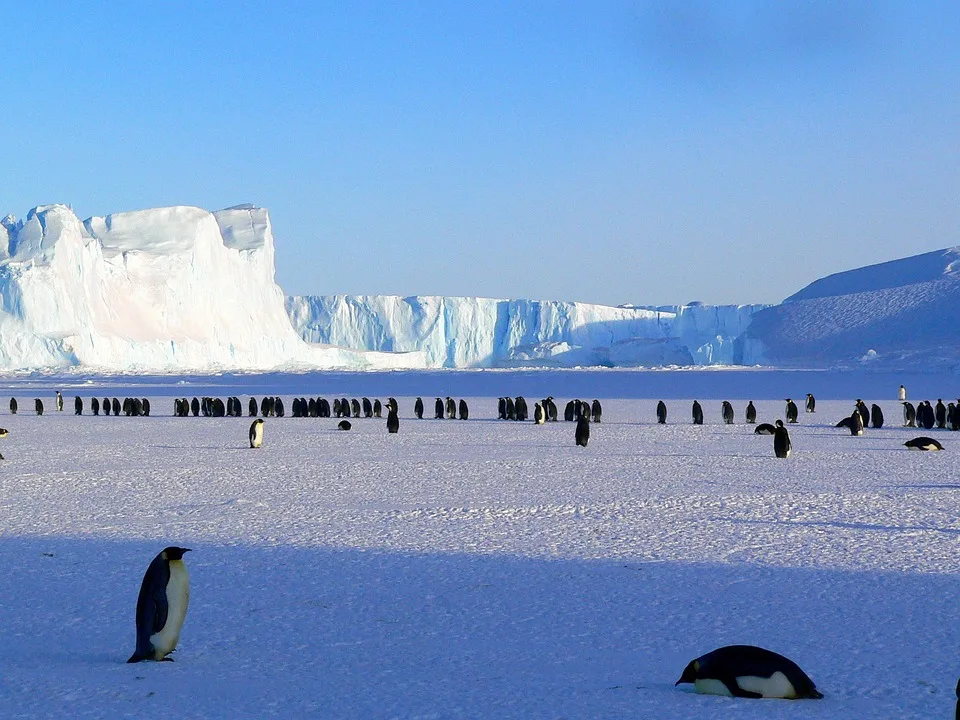
Places in Antarctica
Only two civilian settlements exist in Antarctica with a lowly population consisting of just a couple of scientists and their families. These aren’t your run-of-the-mill towns for millions of tourists to descend upon annually. In fact, most people that come to visit the southern continent are more often than not bound to their ships. These are the areas where you’ll find the most of the human population in Antarctica, with the exception of the McMurdo base. Be careful and keep an eye out for road signs warning you of penguins, lest you harm these adorable denizens of Antarctica.
Villa Las Estrellas
Belonging to the country of Chile, Villa Las Estrellas is a small settlement in the province of Antártica Chilena. It’s got a summer population of about 140, with this number dropping down significantly to 80 during winter. This remote and quaint little town is located on King George Island, which is a part of the South Shetland Islands whose climate is praised for its hospitability. With an average yearly temperature of −2.3 °C, this part of Antarctica is really enjoyable to an extent. The town itself is the part of President Eduardo Frei Montalva Base military base and consists of fourteen homes. While you might jump to conclusions about the quality of life in this secluded corner of the world, the reality of the population living here is not to be diminished. 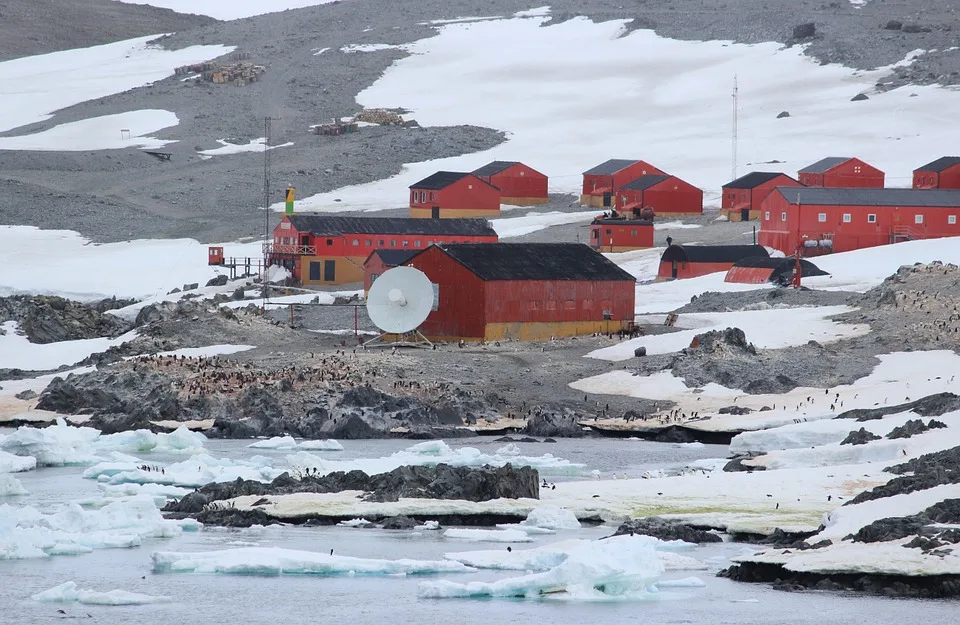
Esperanza
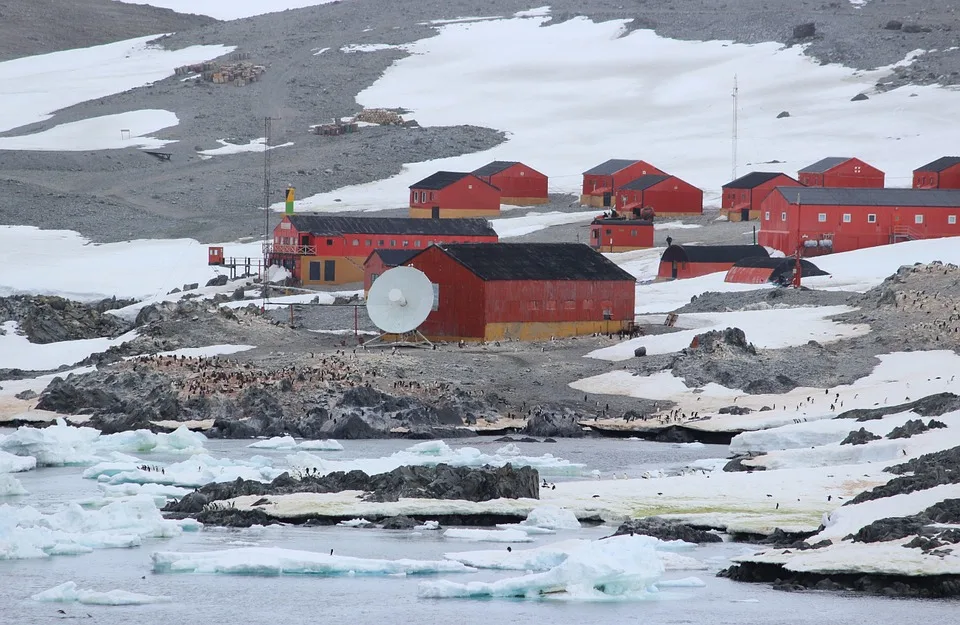
Esperanza, or Hope, really lives up to its elegant name. This Argentinian research center on the Trinity Peninsula houses 55 people during the winter and is the only other settlement to be found on this unforgiving continent. A beautiful snow-covered place, Esperanza is most famous as the place where the first person was born in Antarctica. It has 43 buildings mostly dedicated to research projects in the fields of seismology, oceanology, glaciology, biology and many other scientific pursuits. The research base gets power from a wind generator and four regular generators that consume 4,800 gallons of fuel every year. The commune of Esperanza also has access to Radio Nacional Arcángel San Gabriel radio station, a Presidente Raúl Ricardo Alfonsín provincial school and the southernmost scout troop in the entire world. As far as temperatures go, the average yearly low is about -8.1 °C, slightly colder than Villa Las Estrellas but still much better than the rest of the continent, mostly due to the lower elevation of these towns. 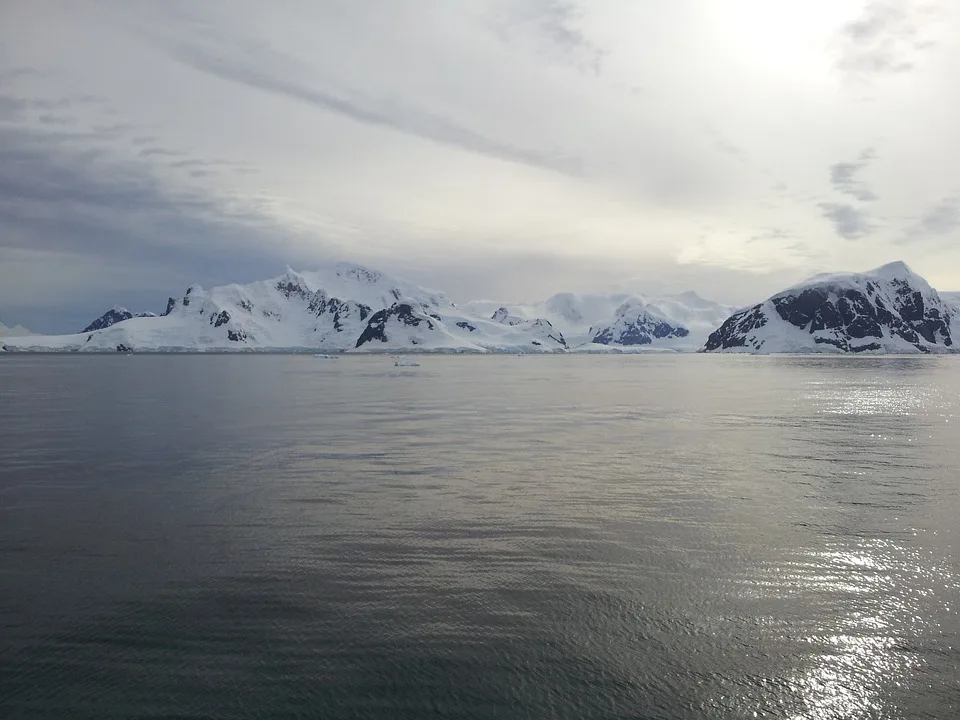
Research Centers in Antarctica
While towns in Antarctica are as rare as they get, research centers are more abundant than you could possibly imagine. They conduct various tests and major scientific projects that have a common goal to learn as much as possible about all the places in Antarctica, including the surrounding areas, but also to observe (and prevent) the consequences of human interference and impact on Antarctica’s unique ecosystem.
McMurdo Station Antarctica
One of the three US-owned research centers, with the single largest community on Antarctica with the ability to successfully sustain approximately 1,258 people, McMurdo station sits on the southern end of Ross Island, claimed by New Zealand. Read more: The Largest North American Cities While it only serves a general scientific purpose with no specific direction, the sheer size of this station allows for advanced logistics and engineering teams to be available at all times. With three airfields, two of which are seasonal, a helipad, and a harbor, McMurdo Station really does resemble a successful town. 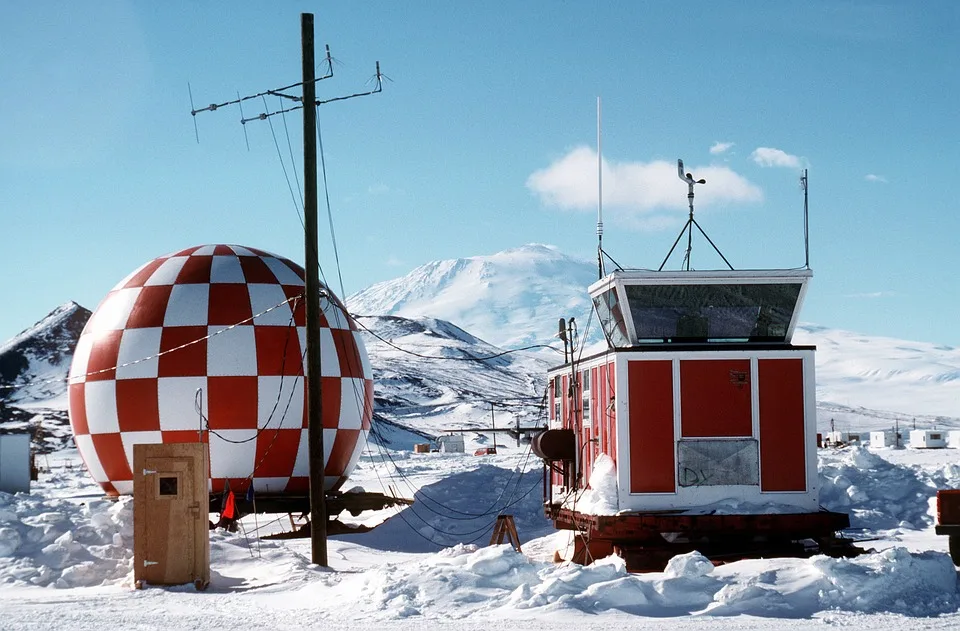
Great Wall Station
The first Chinese station to be opened in Antarctica, Great Wall Station is located down a 2.5 km road from Villa Las Estrellas and the adjacent Chilean military base. Great Wall Station is a marvel of Chinese ingenuity and labor, as it was constructed in only 40 days in 1985. The Chinese expedition arrived on two ships, only one of them being an actual icebreaker. They risked getting cut off from the sea, which is why they had to work almost 17 hours a day in order to complete the station in record time. Today, a monolith can be seen at the site of the research center, commemorating their perseverance and incredible success. 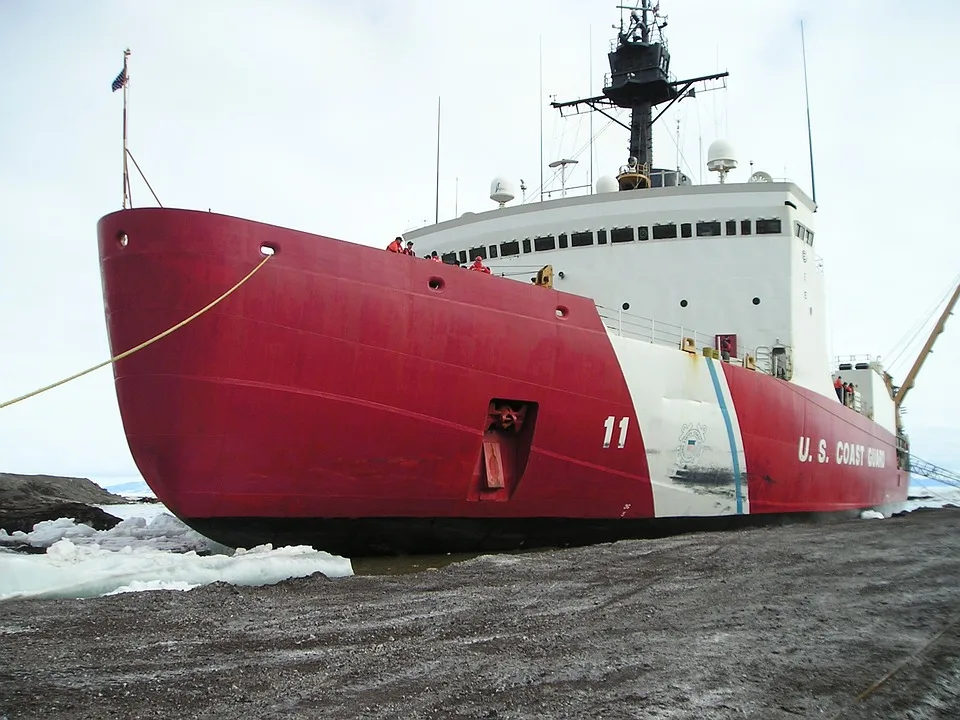
Base General Bernardo O’Higgins Riquelme
Since the name of this research center is quite a mouthful, you may refer to it as Bernardo O’Higgins much like the rest of its permanent staff does. It’s also known under a different name, as Puerto Covadonga after the Chilean port where the center is located. The base is operated by the Chilean military and serves as the capital of the Antártica Commune. One of the longest standing operations of all, Bernardo O’Higgins houses 44 people during summer and only 16 in winter. Due to its accessibility and good infrastructure, it was designated as the location of The German Antarctic Receiving Station that collects data from satellite-based sensors in the area. It was set up by the German Aerospace Center. Read more: Visiting Central America A very famous attraction in the area is a bust dedicated to General Bernardo O’Higgins, remembering this prominent figure from Chilean history.
General Artigas Station
Also known as Artigas Base, this research station is one of the only two centers that Uruguay claims for itself. Uruguayans, unlike some other Antarctica people, have an innate respect for the environment and abide by all the treaties and regulations established in the past in order to protect the biodiversity of Antarctica. They excel in life sciences and studying how humans are affecting the local environment. Other than that, they’re performing experiments in the fields of oceanology, geodesy, and glaciology. They’re also deeply involved in atmospheric sciences, which include running an ionospheric laboratory and studying atmospheric corrosion. 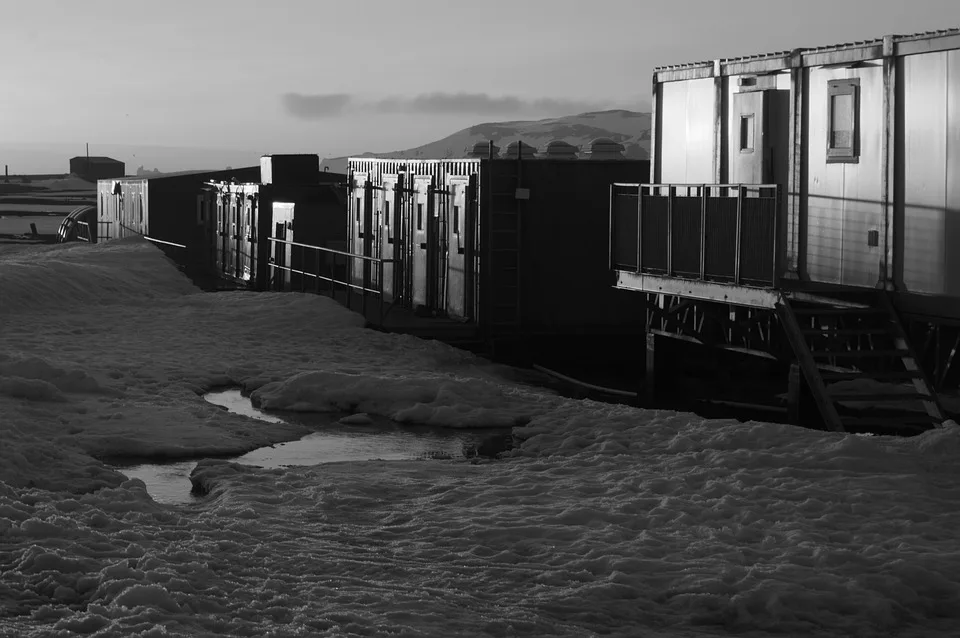
Yelcho Base
Named after the Yelcho tugboat that was involved in rescuing Shackleton’s expedition in 1916, the Yelcho Base is a research center that belongs to Chile. What was originally a base under the command of the Chilean Army was passed on to Chilean Antarctica Institute in 1980. It is nested on Doumer Island, not that far from the town of Villa Las Estrellas. In its long history stretching all the way back to 1962 when it started off as a submarine base, Yelcho also had a period of inactivity from 1998 to 2014. With room for about 15 people, Yelcho Base is now used for various scientific purposes with its small team constantly working in the laboratories.
Casey Station
Quite understandably, the Australian Antarctic Division has also got camps of its own on the cold, cold continent. Casey Station, or just Casey amicably, used to belong to the US, however, Australia has taken it over after International Geophysical Year which ended in 1958. Unfortunately, the station was unusable at this point due to all the ice that has accumulated around the buildings. For that reason, Australians established Repstat or a ‘replacement station’. What’s unique about Repstat is that it features buildings on stilts, allowing the wind to blow beneath them and eliminate the problem of ice build-up. Read more: Aurora Borealis in Norway Nowadays, geologists and marine biologists use Casey as a staging ground for their research. The station is also used for observation and studies of climate change and how it is affecting widespread moss beds near Casey.
List of Antarctic Churches
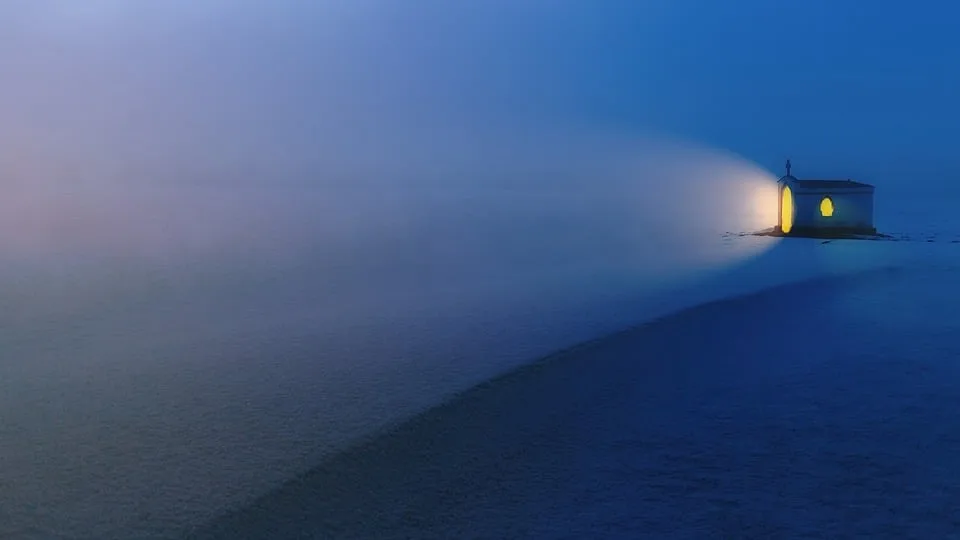
Considering how plenty of people live in Antarctica, it’s only natural to see churches cropping up here and there, where the religious go to fulfill their spiritual needs. All of these places of worship are of different Christian denominations, and you can find them in research bases and towns in Antarctica:
- Chapel of Our Lady of the Snows
- Chapel of Santa María Reina de la Paz
- Chapel of Santisima Virgen de Lujan
- Chapel of the Snows
- San Francisco de Asis Chapel
- St. Ivan Rilski Chapel
- St. Volodymyr Chapel
- Trinity Church
FAQ: towns and settlements in Antarctica
Are there real towns in Antarctica?
There are no conventional cities. A few small civilian-adjacent settlements and many research stations function like seasonal communities, with staffing peaking in the austral summer.
What is the capital of Antarctica?
There is no capital—Antarctica is governed through the Antarctic Treaty System rather than a single country.
Can tourists visit these places?
Most visitors travel on organized expeditions and follow strict environmental rules; access depends on weather, permits, and program logistics.
Antarctica has its fair share of the human population and our civilization has already encroached on these snow-capped lands. If you’re a scientist looking to join an ongoing project down there, or simply a tourist trying to get to every landmass on Earth, you’re in luck. But don’t expect to evade any taxes down there! Antarctica is not a foreign country to provide you with a potential exemption, so tough break.