
Table of contents
So where do you go to find a prehistoric landscape that looks untouched by modern humanity? That is the question many viewers pondered after watching the Hollywood blockbuster “The Lost World”. The answer? Mount Roraima… 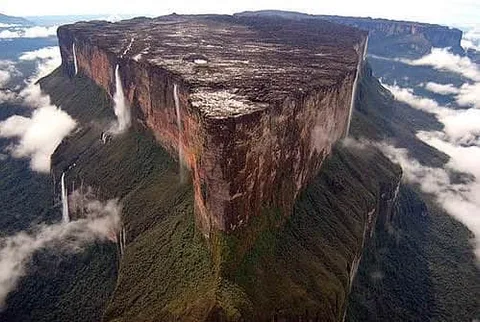
About Mount Roraima
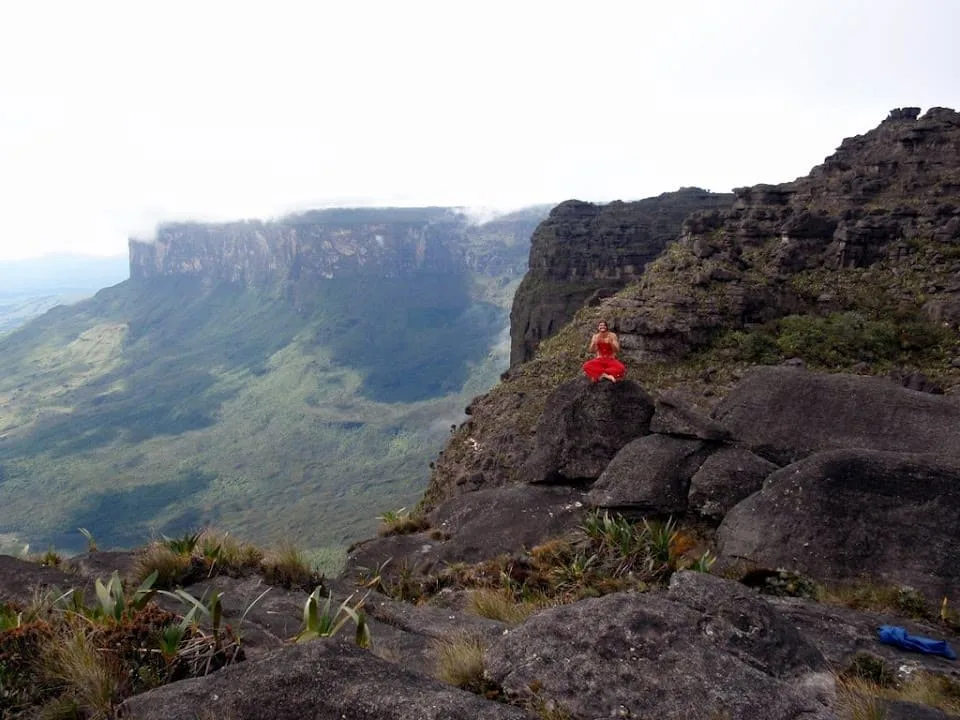
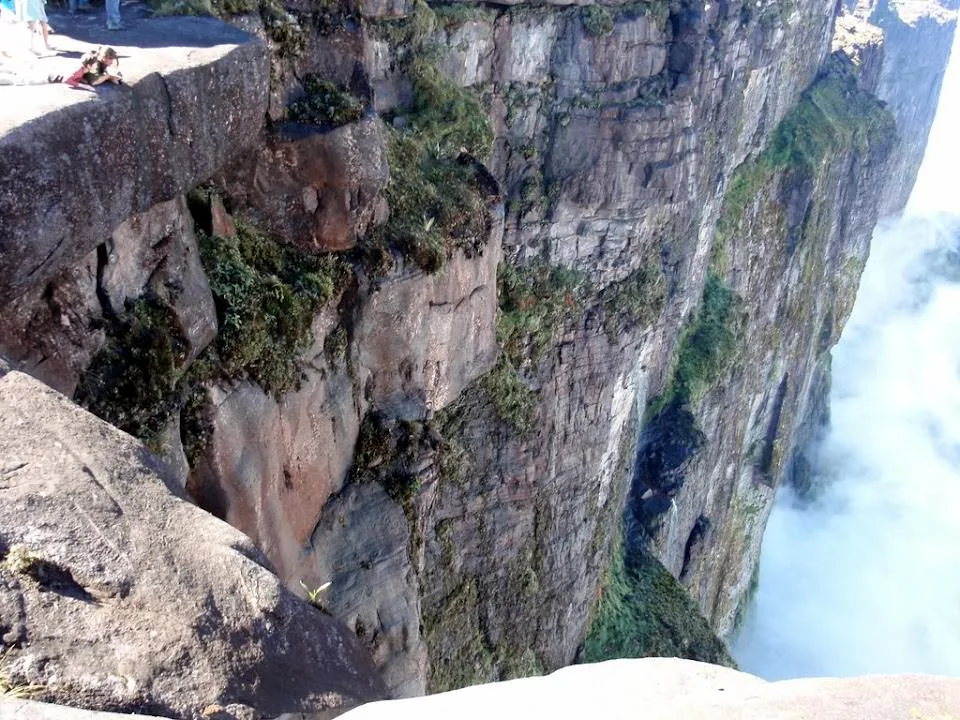
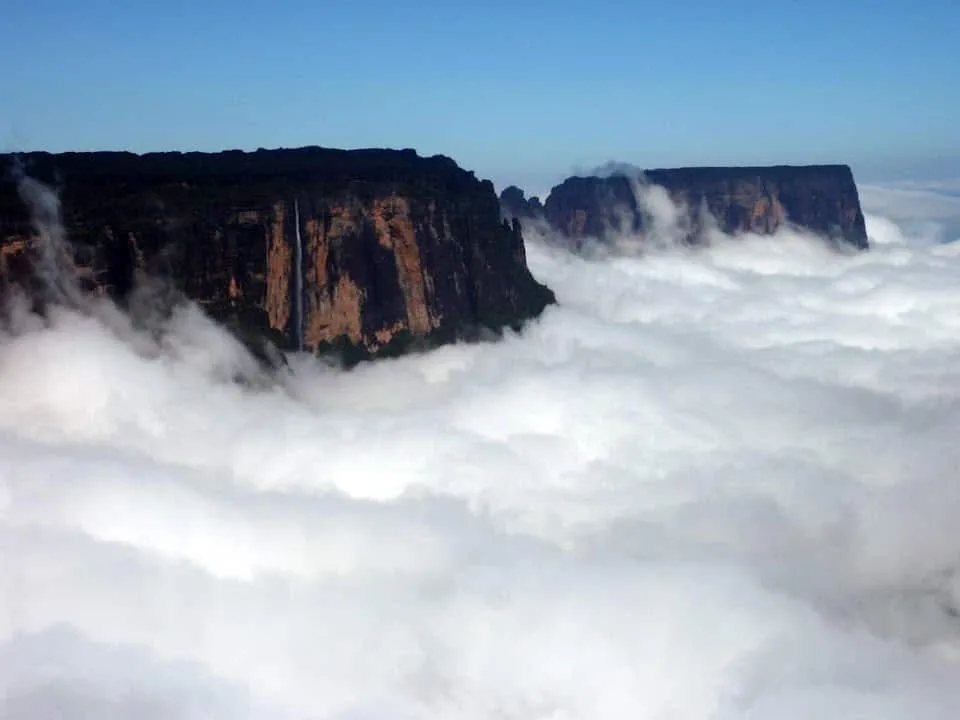
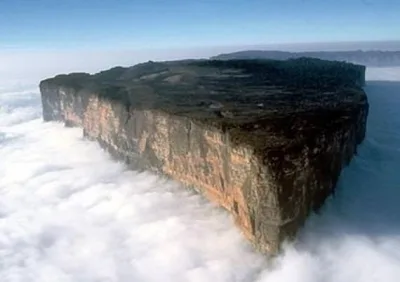
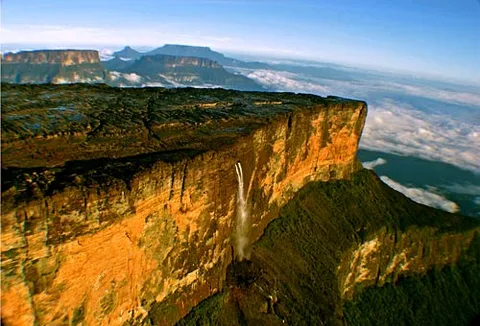
Mount Roraima is one of the biggest flat mountains that you could find. The tepuys - the flat protrusions of the mountain - are regarded by scientists as ‘islands in time,’ since species have developed in complete isolation on top of these geological formations over millennia. The largest tepuy is Auyan, which is located to the northwest of the park. From its vertical flanks chute the amazing Angel Falls, the world’s highest waterfall. Although Angel Falls might be the most impressive, especially after the rains, all of the tepuys in the region are threaded with waterfalls – a beautiful sight for any visitor. 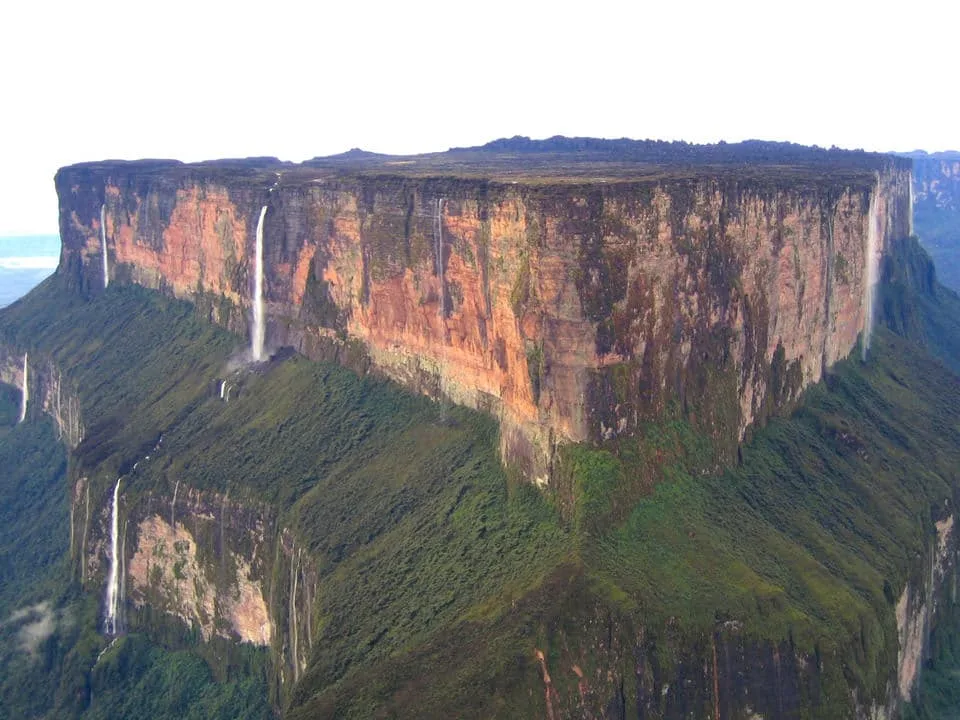
Climbing Mount Roraima
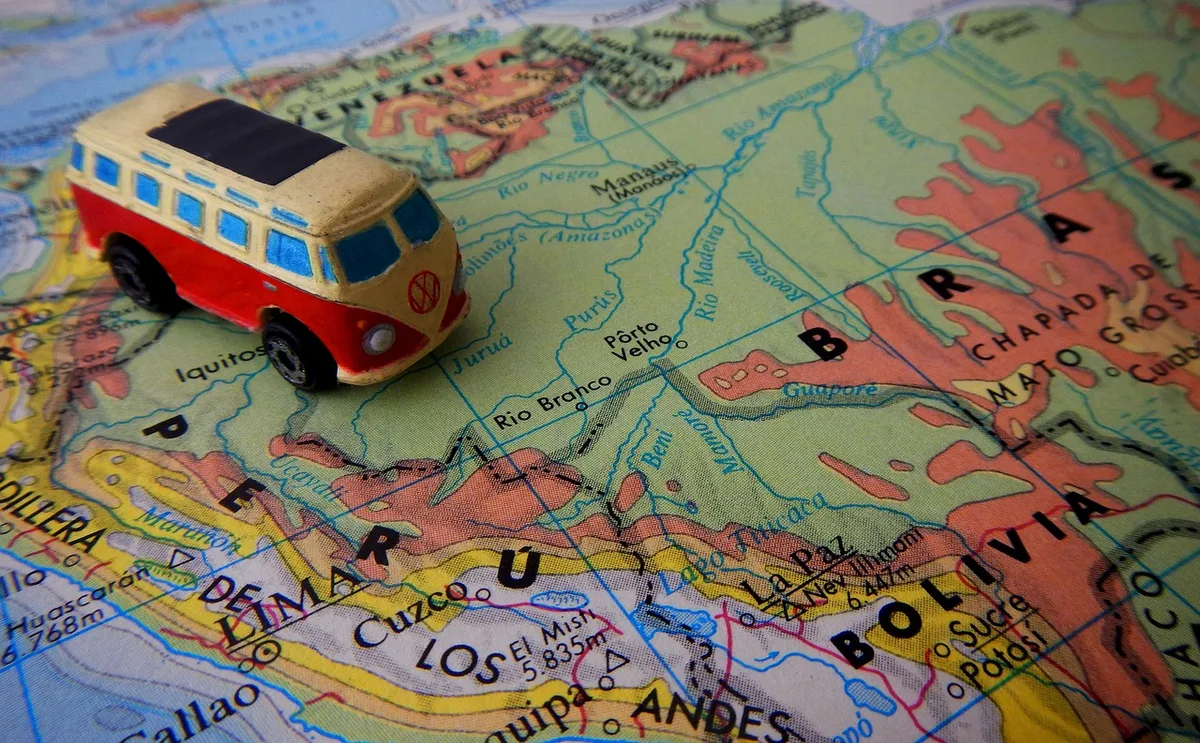
This lightly populated region is where the three major languages of the Americas intersect with the magnificent table top mountain of Mount Roraima at their center. Here, you can interact with the Spanish of Venezuela, the Portuguese of Brazil and the English of Guyana. 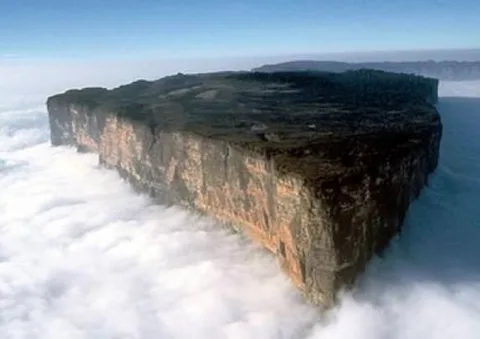
Accomodation


Weather Conditions at Mount Roraima
On top of the tepuys, thunderstorms are frequent and torrential downpours are a way of life. The dry season between December and April is preferred, but the weather is changeable at any time, and rain and mist are a constant. With rain, the rivers swell and crossings may be difficult. Because of its elevation, the weather in the Gran Sabana is more temperate than the surrounding lowlands. It clocks in at a minimum of 10°C (46°F) and a maximum of 32°C (90°F). The village of Santa Elena de Uairen can be found at an altitude of 900 – 1000m (3000f – 3250f), with a nearly perfect climate (16°C / 45°F – 28°C / 79°F all year round). It has lots of water and gorgeous waterfalls since the rainy season extend from February to November.
Other Villages
Other villages in the region include San Francisco de Yuruani (close to the turn-off to Roraima Tepuy), Kavanayen, El Paují, and Icabarú. There are small airstrips at Santa Elena, El Paují, Ikabarú, Wonken, Kavanayen, Kamarata and Canaima. These are served by small six-seater planes. These flights cost less than you might expect, at about $50-60 per leg, and offer an incredible way to see the Sabana. There are also small airstrips at Santa Elena, El Paují, Ikabarú, Wonken, Kavanayen, Kamarata and Canaima. Read more: Most populated cities in North America Two roads split from the main north-south highway, allowing you to penetrate other parts of the region. One of these roads heads to the mission of Kavanayen, via the lovely waterfalls of Chinak Meru. Other road heads west from Santa Elena to the small and interesting village of El Paují and on to the mining town of Icabarú. El Pauljí is a unique border town where the Gran Sabana ends and the Amazonian jungle begins. The mining (low-tech subsistence mining for gold and diamonds) and tourist community features attractions like the Cathedral falls, Pozo Esmeralda (Esmerald Pool), Pozo El Paují (Paují Pool), the Abismo overlook, and the community offers many places to stay. This special place is surrounded by an evergreen and gallery forest, bush and savannah and an endless number of rivers, ravines and waterfalls. Many artists have settled here, forming a strong community in harmony with nature.
Getting There
You can best get to the region via a 20 minute flight on Rutaca from Santa Elenas airport. The road can be terrible, but continues as far as Icabarú. This journey is only for 4-wheel-drive vehicles. Kavak: can only be reached by air or guided tour through the jungle. It is near spectacular falls and rivers. Las Caritas: a mining town with spacious green areas extending into a great forest. Located very near the Gran Sabana, it’s a good departure spot for excursions with visitor infrastructure, places to stay, and the Aponwao waterfall. El Callao: the best place to explore the mining treasures of the region. Gold trading and goldsmiths are concentrated here. This is also the home of Venezuela’s most famous Carnival, which is over a century old and based on the Caribbean Carnival traditions brought by early gold miners from Trinidad and Martinique.
My Travel Experience at Mount Roraima
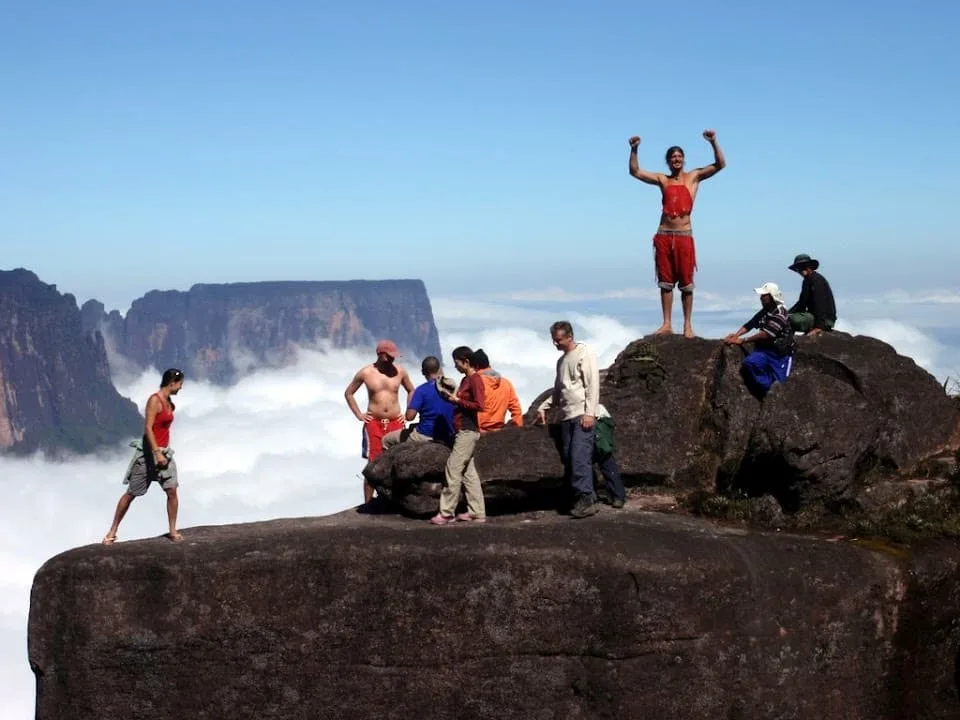
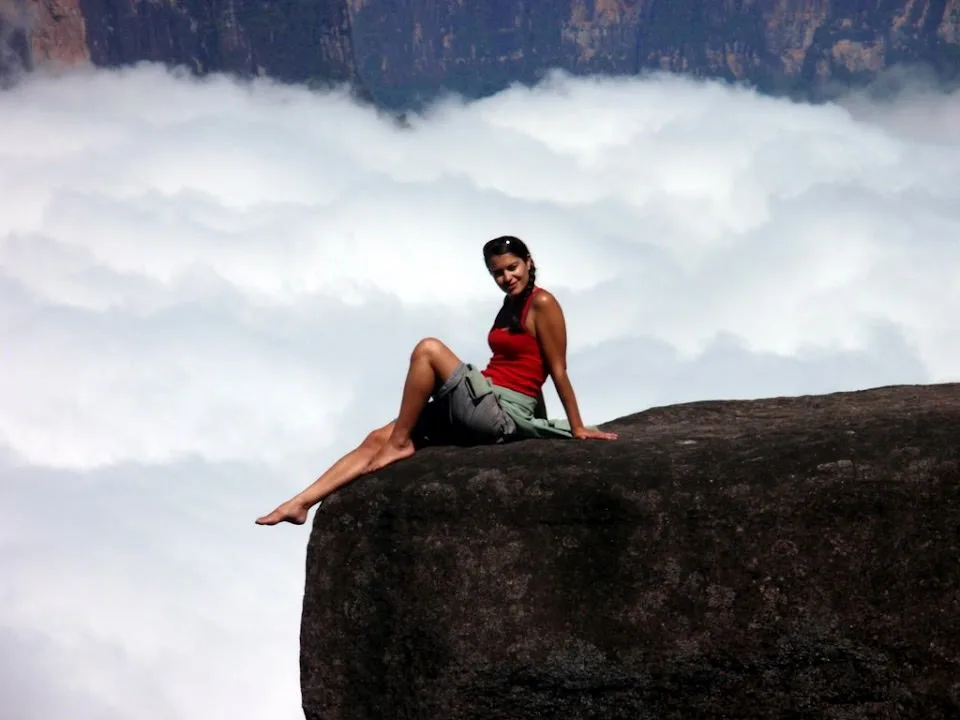
Once we reached the summit there was barely a pause for breath or photos as we made the painful 40 minute walk to the camp site. Contrary to our expectations, the top was far from flat, with strange shapes eroded by both wind and water forming peaks and troughs, the latter occasionally filled to become streams. The single narrow path over the soft rock was clearly marked by lines of sand worn away by years of weary hikers. After much unwanted walking and climbing, we reached the camp-site, which was located in a cave system on the side of a smaller peak.